How to Choose the Best Inside Doors for Your Home
Choosing the best inside doors means balancing privacy, appearance, durability, and the way each room is used. A bedroom door may need to soften hallway noise, while a laundry-room door should handle frequent use and changing humidity. The right choice is not always the most expensive one. It is the door that fits your home and daily routine.
Start with the details you can measure. Check the opening, wall thickness, and available swing space before comparing styles. A door that bumps into a dresser or blocks a narrow hallway can become frustrating quickly. Consider solid-core doors for added privacy and sound reduction, or lighter hollow-core options where budget and easy handling matter more. Neither works everywhere. That is worth remembering.
Then look at materials, finishes, and hardware. Painted doors can suit many interiors and are often straightforward to refresh; wood-grain finishes bring warmth but may need more careful upkeep. Handle shape and hinge placement affect comfort as much as appearance. Small details count.
This guide explains how to compare common door types, choose suitable sizes, and match finishes to different rooms. It also highlights practical questions to ask before buying, including installation requirements and maintenance. Product specifications vary, so confirm measurements and care instructions with the manufacturer. Even careful planning can miss something, and a sample finish may look different in evening light. Checking both can prevent an avoidable disappointment.
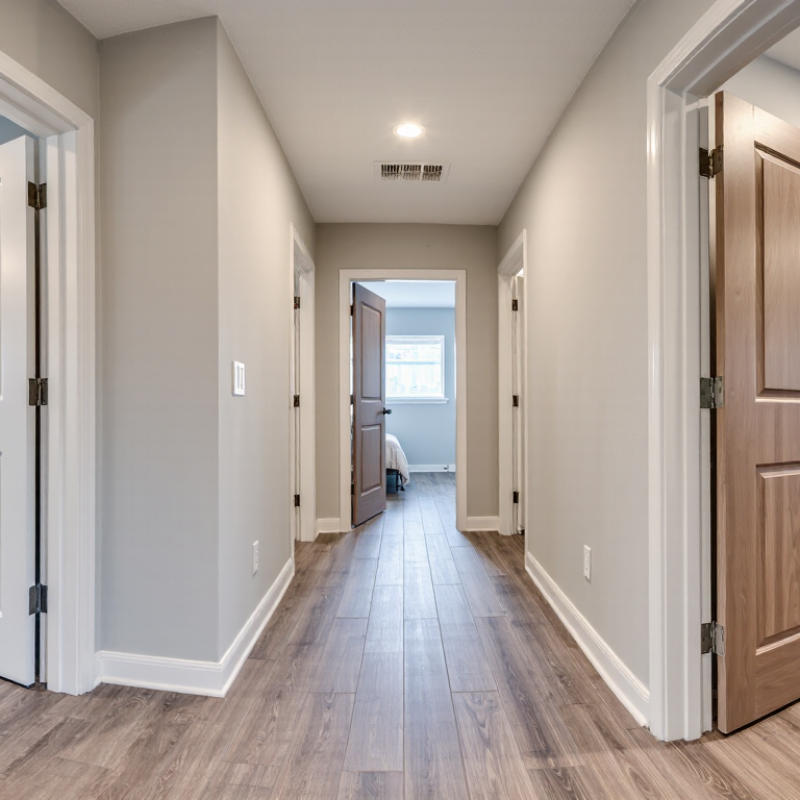
Assess Room Function, Privacy, and Sound-Control Needs
A door should match the room, not just the hallway style. Bedrooms and bathrooms usually need visual privacy, while a home office may also need fewer interruptions from nearby conversation. For a busy living area, a lightweight door can feel easy to use, but it may do little to soften noise. Think about who uses the room and when. A nursery beside a television room has different needs from a pantry.
Sound control depends on more than the door slab. A solid-core door can reduce some noise, but gaps around the frame and beneath the door let sound travel through. Check the fit, latch, and weatherstripping, and remember that ventilation needs may affect how tightly a bathroom door can close. Quiet matters. Even a well-fitted door will not make a room fully soundproof, so it is easy to expect too much.
Tips: Stand in the hallway and listen with the room door closed. Notice whether voices, footsteps, or appliance sounds are the main problem. For privacy, check sightlines through glass panels and gaps. A small detail can change the feel of a room, and the best choice may involve a compromise between airflow, sound, and ease of use.
Compare Interior Door Materials and Construction Types
An interior door’s material affects its weight, sound control, and resistance to everyday wear. Solid wood has natural grain and can often be repaired, but it may expand or shrink as humidity changes. Engineered wood doors with wood veneer offer a similar appearance with more consistent construction. Their edges still need protection from repeated knocks.
Construction matters just as much. A hollow-core door is light, affordable, and easy to install, but voices and hallway noise pass through more readily. A solid-core door uses a dense composite center beneath its surface. It feels heavier and generally reduces sound better, though the frame and hinges must support its weight. Listen at the doorway. The difference can be noticeable.
For bedrooms or a home office, solid-core construction may be worth the added cost. For a closet, hollow core may be perfectly practical. Molded composite surfaces resist minor scuffs, while painted MDF can provide a smooth finish but needs care around damp areas. No interior door is automatically moisture-proof. Check the room’s ventilation, the door’s finish, and the manufacturer’s specifications before choosing. I once underestimated hinge strength; a heavy door can sag when its hardware is poorly matched.
Choose a Door Style, Finish, and Hardware
Choose a door style that fits both the room and the way you move through it.
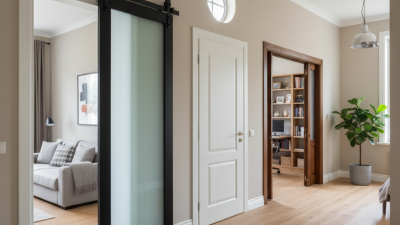
A simple panel door suits many bedrooms, while a glazed upper panel can borrow light from a dim hallway. For a narrow space, a sliding door may save floor area, though it offers less privacy around sound and smells. Measure the opening, nearby furniture, and available swing before settling on a style. It is an easy detail to overlook.
Finish changes how a door feels in daily use.
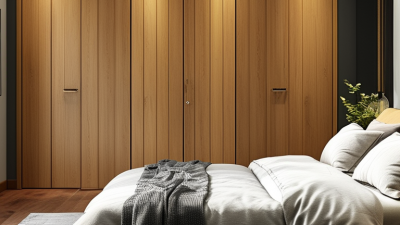
Painted surfaces can make a small room feel brighter, and they are often straightforward to touch up. Clear or lightly tinted wood finishes show grain and bring warmth, but wood tones can vary between doors. Test a sample beside the floor and trim in both daylight and evening light. Colors can surprise you.
Hardware should feel comfortable in your hand and suit the door’s weight.
A lever is often easier to operate when your hands are full; a knob may better match a traditional interior. Check that the latch catches cleanly and that the handle clears nearby walls or cabinets. Matte finishes can hide fingerprints, though they may show scratches over time. I’d rather choose a practical finish than chase a perfect match, but that judgment depends on the room.
Measure the Opening and Confirm Installation Requirements
Before choosing an interior door, measure the opening, not just the old door. Measure the width at the top, middle, and bottom, then measure the height on both sides. Older frames often vary. Use the smallest measurements when checking fit, and record them clearly. Check the wall thickness, including drywall, because it affects the jamb depth. Compare the opening’s diagonal measurements to see whether it is square. Look for bowed framing, loose trim, or a raised floor that could limit clearance. Small differences matter.
Confirm whether you need a prehung door, which includes a frame, or a slab door for an existing frame. Check the required rough-opening dimensions and installation details for the door you select; sizes and clearances can differ. Check the swing. Stand on the side where the door opens toward you, and note which side has the hinges. An old door is not always a reliable template: it may have been trimmed to fit a settled frame. If the opening is uneven or the measurements conflict, pause before ordering. Rechecking now is less frustrating than discovering the mismatch after delivery.
Evaluate Cost, Maintenance, and Long-Term Durability
The best inside door is not always the most expensive one. Compare the purchase price with installation, hardware, and likely repair costs. Hollow-core doors are usually lighter and less costly, making them practical for closets or low-traffic rooms. Solid-core doors often cost more, but their added weight can improve sound reduction and resist dents. They may need stronger hinges and careful fitting.
Maintenance matters over years. Painted doors are easy to refresh, though scratches and chipped edges can show quickly. Wood doors bring visible grain, but humidity may cause movement, especially near bathrooms or kitchens. Check that the finish covers the edges, and look for loose hinges or rubbing before damage grows. Small details matter. I still think a modest door can be the better choice, though a cheap latch can make it feel flimsy.
Tips: Compare full installed costs, not just door prices. Choose moisture-resistant materials for damp rooms. Open and close the sample if possible; listen for rattling, and inspect the frame fit. Keep a little budget for hardware or adjustments. It is easy to overlook those extras. A durable door should suit the room, withstand daily use, and remain simple to maintain.


 Questions? Give Us A Call!