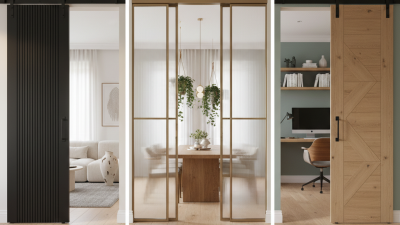
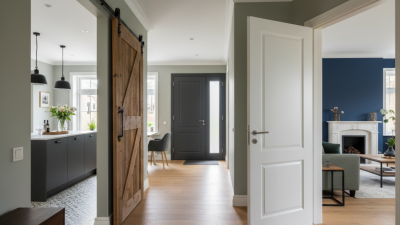
How to Choose the Best Interior Doors in 2026?
Choosing the best interior doors in 2026 requires more than matching colors with walls. A well-selected door can improve privacy, reduce sound, guide movement, and strengthen a room’s character. Yet, many buyers focus only on appearance. That can create expensive regrets later. A beautiful glass door may feel open, but it may not suit a bedroom. A solid-core door may block noise, but its weight can demand stronger hardware and careful installation.
This guide examines interior doors through practical experience, current design knowledge, and dependable product standards. It considers materials, door construction, swing direction, frame compatibility, privacy levels, maintenance, and long-term value. You will see how oak veneer, painted MDF, glass, and composite options perform in real household settings. Small details matter. Think about fingerprints near a kitchen, moisture beside a bathroom, or hinges resisting a heavy door every day. Certified performance data and clear manufacturer warranties should support your decision, not replace it. Even experts can overlook installation conditions. Existing openings are rarely perfect. Walls may be uneven. Floors may not be level. That uncertainty deserves attention.
The right choice depends on how each room is used. Style matters, but performance matters longer. This article will help you compare interior doors with realistic expectations, identify common mistakes, and select options that feel both attractive and reliable in 2026.
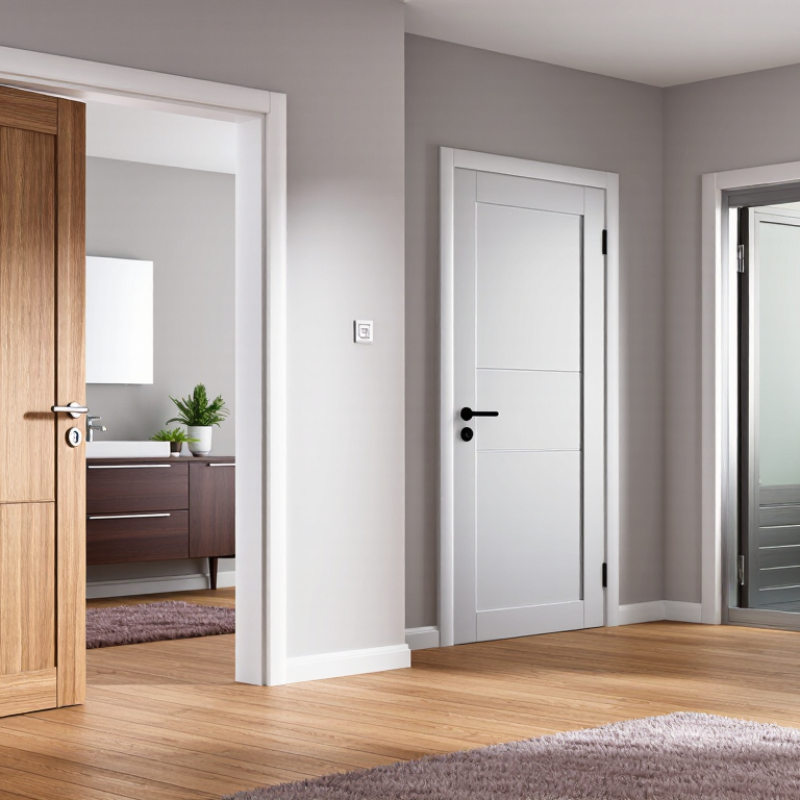
Define Your Interior Door Needs and Room Requirements
Choosing an interior door starts with the room, not the showroom. Walk through each space and note its daily demands. A bedroom beside a stairwell may need better sound control. A bathroom requires moisture-resistant materials and reliable ventilation. A narrow hallway may need a door that saves swing space.
Measure the opening, wall thickness, trim area, and available clearance. Measure twice. Record the floor level, too. Uneven flooring can make a perfectly sized door rub or leave an awkward gap. Consider who uses the room. Children, older adults, and people carrying laundry may benefit from lighter doors and easy-to-operate handles.
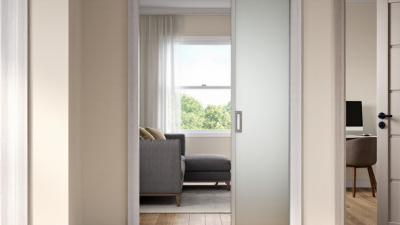
Privacy, light, and airflow also shape the choice. Solid-core construction can reduce noise between a home office and living room. Frosted panels can borrow daylight without exposing a bathroom fully. Louvers may improve airflow, but they provide less privacy. Check the door swing against furniture, cabinets, and emergency routes. Local building requirements may also affect bathroom ventilation or clearance.
I once focused too much on appearance and ignored a radiator near the swing path. The installation worked, but the door felt inconvenient every day. That mistake changed my process. I now use painter’s tape to mark the swing on the floor before ordering. It is simple, yet revealing. Discuss unusual openings with an experienced installer, especially when walls are out of square or the existing frame shows moisture damage.
Choose the Right Door Size, Swing, and Hardware
Choosing interior doors in 2026 starts with accurate measurements, not attractive photos. Measure width, height, and wall thickness at several points. Walls are rarely perfect. I once ordered a door from one measurement and found a 9-millimeter difference near the floor. The lesson was expensive, but useful. Check the rough opening, finished flooring, trim, and clearance before ordering. A bathroom may need privacy, while a narrow hallway may need a space-saving swing.
Door swing affects comfort and safety every day. Stand on the hinge side and identify whether the hinges sit left or right. Confirm the door will not strike furniture, switches, radiators, or another door. For busy rooms, consider a swing that opens toward a wider path. Local requirements may influence certain layouts, so verify them with a qualified installer. Hardware should match the door’s weight and use. Solid doors often need stronger hinges, while pocket doors require precise track alignment. Lever handles are usually easier to operate than round knobs. Small detail. Big difference.
Tips:
Use a steel tape, not a phone estimate. Record three measurements and keep the smallest width. Test the swing with cardboard before installation. Choose hinges suitable for the room and door weight. Leave enough floor clearance for rugs, but do not guess. I still recheck measurements before drilling; confidence is not a measuring tool.
Set a Budget and Verify Installation Requirements
Set a realistic interior-door budget before comparing styles or materials. Include the door, frame, hinges, handles, delivery, labor, trim, and disposal costs. Installation can become expensive when the opening needs repair. Keep an extra 10 to 15 percent for surprises. Small mistakes add up.
I once measured only the visible doorway and missed the wall thickness. The replacement frame did not fit, so the schedule changed. Measure the rough opening, not just the finished opening. Record its height, width, depth, and squareness at several points. Also check the door swing, floor height, baseboards, and nearby furniture. A written quotation should separate materials from labor and describe what happens if hidden damage appears.
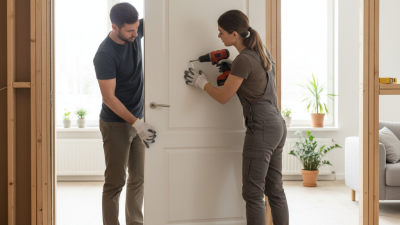
Verify installation requirements before ordering. Pre-hung doors need enough clearance for the frame and shims. Slab doors may require precise hinge placement and careful trimming. Bathrooms, laundry areas, and rooms near heating equipment may need moisture-resistant construction. Some locations also require specific fire or ventilation performance, depending on local building rules. Ask the installer to confirm these details in writing. Request evidence of relevant experience, clear payment terms, and a workmanship warranty. I would also inspect one completed installation if possible. Online photos can look perfect. Real gaps tell the truth.
How to Choose the Best Interior Doors in 2026?
Set a realistic budget first, then verify the door size, wall thickness, swing direction, frame condition, and required installation work.
Typical U.S. installed-cost planning ranges for one interior door are shown in USD. Hollow-core doors generally offer the lowest cost, while solid wood and glass-panel doors require larger budgets. Before ordering, confirm the rough opening, standard door height, jamb depth, hinge placement, trim condition, and whether wall or framing changes are needed.