How to Choose the Right Home Doors for Your Needs?
Choosing the right home doors is crucial for both aesthetics and functionality. According to John Smith, a renowned expert in residential design, "The right door can transform not just a home’s entryway, but also its overall appeal." Selecting home doors requires careful consideration, as they provide security, energy efficiency, and curb appeal.
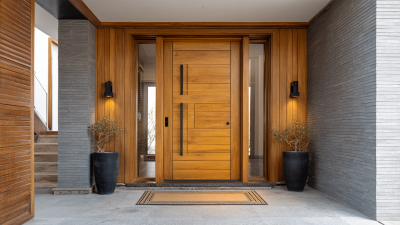
Material and style must align with personal preferences and home architecture. For instance, wooden doors exude warmth, while metal doors offer durability. It's essential to think about the door's purpose. Is it an interior door or an exterior one? A door that enhances your home’s character is not just about looks; it also impacts energy consumption.
Many homeowners overlook the practical aspects. Factors like insulation, noise reduction, and maintenance play significant roles. You might find a door that looks great but falls short in performance. Taking time to reflect on these elements ensures you choose home doors that meet your needs and enhance your living space.
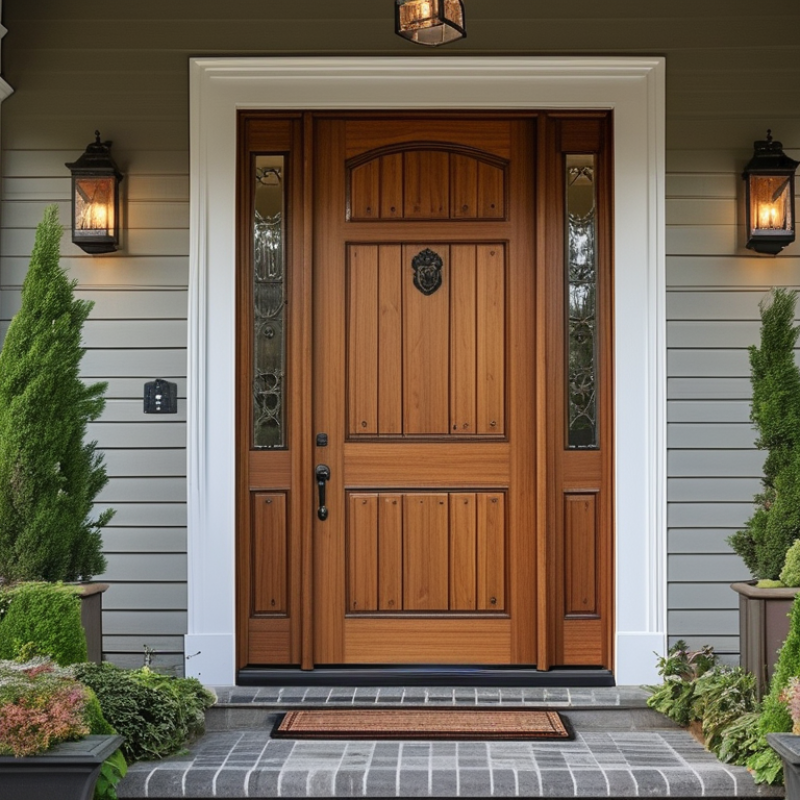
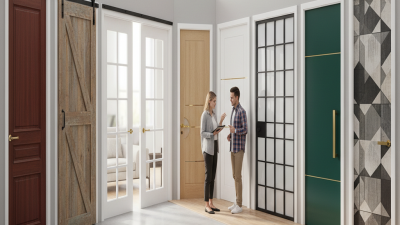
Understanding Different Types of Home Doors and Their Functions
When selecting home doors, it's essential to recognize the various types and their specific functions. Exterior doors, specifically, are the first line of defense against weather and intruders. According to the American Institute of Architects, selecting a solid wood or fiberglass door can enhance energy efficiency by 15-20%. This not only provides safety but also contributes to energy savings.
Interior doors serve a different purpose. They provide privacy and help in sound insulation. On average, homeowners remodel or upgrade their interior doors every 10-15 years, reflecting trends in aesthetics and functionality. There are various materials available, including hollow core, solid core, and composite options. Each material offers unique advantages. For instance, hollow core doors are lightweight and economical, while solid core options are more durable and provide better sound insulation.
Beyond materials, consider door styles. The choice between traditional and modern designs can impact neighborhood appeal. A report from the National Association of Realtors states that door design is a key factor in curb appeal. However, homeowners should also reflect on their local environment. A beautiful door won't perform well in extreme weather without proper installation and maintenance. It's worth evaluating both function and aesthetics to ensure that your choice aligns with your lifestyle and regional conditions.
Types of Home Doors and Their Functions
Considerations for Choosing the Right Material for Your Home Doors
Choosing the right material for home doors can significantly impact both functionality and aesthetics. Wood doors offer timeless beauty and excellent insulation. However, they require regular maintenance to prevent warping or cracking. Consider the climate in your area when choosing wood, as excessive moisture or dryness can affect longevity.
Steel doors are another option. They provide superior security and durability. However, they can be prone to rust if not treated properly. For those living in coastal areas, this may not be the best choice. Think about the long-term implications of each material's upkeep.
Fiberglass doors are low maintenance and can mimic the look of wood. They're resistant to dents and scratches, making them ideal for high-traffic areas. Just ensure the color choice matches your home’s style.
- Assess your climate’s impact on materials.
- Prioritize security and longevity over immediate appearance.
- Don’t overlook maintenance needs for your chosen material.
Evaluating Security Features in Home Door Options
When selecting the right doors for your home, security should be a top priority. A strong door does more than just complement your home’s design. It is the first line of defense against intruders. Consider materials like solid wood or metal, which offer better durability compared to hollow-core doors. Reinforced frames can also add an extra layer of security, making it harder to force entry.
Locking mechanisms matter greatly. Deadbolts provide superior locking strength, but not all deadbolts are created equal. Look for locks that are rated for pick resistance and impact resistance. Additionally, smart locks can enhance security by allowing you to monitor access remotely. However, be cautious as technology can also have vulnerabilities.
In evaluating security features, focus on the entire door system. The hinges can be a weak point if they are on the outside. Security hinges with pins that cannot be removed from the outside provide added protection. Furthermore, think about the installation. A door improperly installed can compromise security. Professional installation is often recommended for ensuring all parts work together effectively.
How to Choose the Right Home Doors for Your Needs? - Evaluating Security Features in Home Door Options
| Door Type |
Material |
Security Feature |
Estimated Cost |
| Solid Wood Door |
Wood |
High-security locks |
$800 - $1500 |
| Steel Entry Door |
Steel |
Reinforced frame |
$500 - $1200 |
| Fiberglass Door |
Fiberglass |
Impact-resistant |
$600 - $1300 |
| Aluminum Door |
Aluminum |
Multi-point locking system |
$700 - $1400 |
| Vinyl Door |
Vinyl |
Built-in security features |
$400 - $900 |
Selecting the Appropriate Style to Match Your Home’s Aesthetic
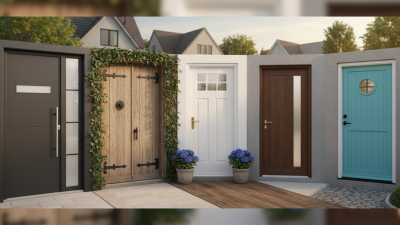
When selecting doors for your home, aesthetics play a crucial role. Your doors should complement the overall design of your house. Consider the style of your home. Is it modern, traditional, or rustic? Each style has unique door types that enhance its beauty. For contemporary homes, sleek lines and large glass panels are ideal. In contrast, classic homes may benefit from wooden doors with intricate carvings.
Textures and colors also matter. A bold red door can serve as a striking focal point, while a muted tone may create a softer appearance. Think about the materials used. Wooden doors offer warmth but require regular maintenance. On the other hand, fiberglass doors are durable and easy to care for. These choices can affect not just aesthetics but practicality as well.
Don't overlook the entryway’s impact. A well-chosen door can draw in guests. However, it should also function well. Consider security features without compromising style. Finding the balance between beauty and safety requires reflection. Sometimes, the perfect door may not be as visible as you think. Consider simplicity and elegance over complexity.
Assessing Budget and Installation Factors for Home Doors
Choosing the right home doors involves careful consideration of your budget and installation factors. Start by determining how much you are willing to spend. Set a realistic budget based on your financial capacity. Remember, prices can vary significantly depending on materials, styles, and security features.
Installation is another key factor. Some doors are easy to install, while others require professional help. Assess whether you have the skills and tools for a DIY project. If you choose to hire someone, factor in labor costs. Check for local contractors and their reviews to ensure reliability.
Consider your home's style and environment. A door should complement both. Think about weather conditions too. It affects the materials and insulation you choose. It's crucial to balance aesthetics with practicality. Make adjustments and reflect on what truly meets your needs.

 Questions? Give Us A Call!