What Is Door Repair and What Types Are There?

A door may look like a panel on hinges, but its frame, hardware, seals, and alignment all work together. Door repair covers diagnosing and fixing problems such as sticking, loose hinges, damaged locks, cracked panels, and drafts around the jamb. Some issues need only a screwdriver and careful adjustment. Others call for a qualified technician, especially when the frame has shifted or the door no longer closes securely.

The scale of the home-improvement market shows why doors deserve attention. Remodeling magazine’s 2024 Cost vs. Value report estimated that a steel entry-door replacement cost $2,355 nationally and returned $4,430 in resale value, or 188.1 percent of its cost. That figure concerns replacement, not repair, so it should not be treated as a promise of savings. Still, it highlights the door’s practical and visual value. A worn threshold, daylight under the door, or a latch that misses its strike plate can signal a problem worth inspecting.

“A door is a moving wall.” This familiar description, associated with longtime This Old House contractor Tom Silva, captures the daily wear doors endure. A useful door repair guide should distinguish common repair types, explain what causes each fault, and identify when professional help makes sense. Small warning signs matter. Yet not every squeak means a major repair; diagnosis comes first, and sometimes the first fix is not the right one.
What Is Door Repair and What Types Are There?

What Door Repair Involves

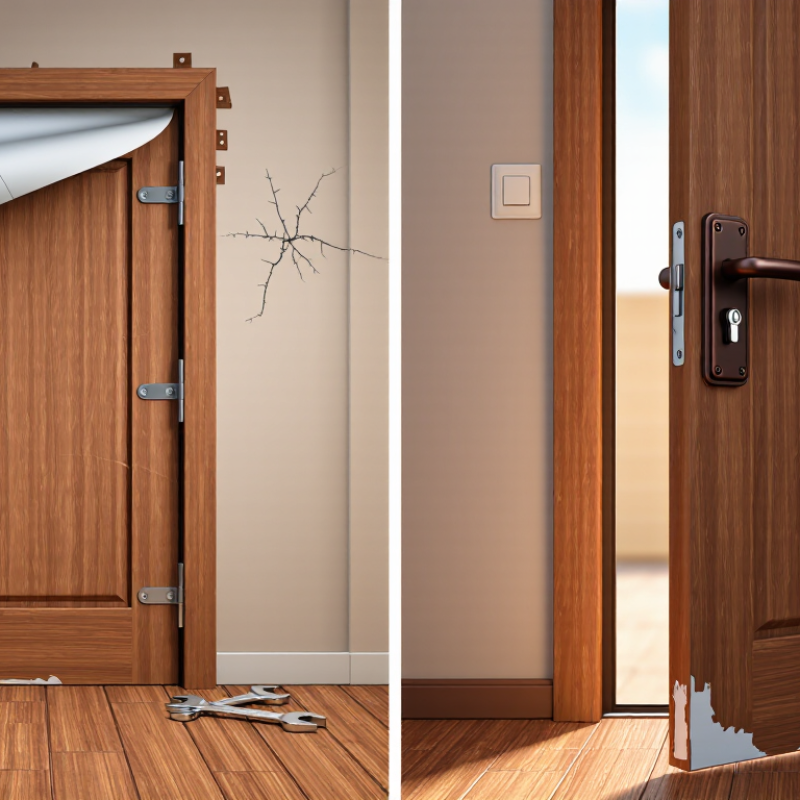
Door repair involves finding why a door no longer opens, closes, or latches properly, then correcting the cause. The inspection may include the hinges, latch, handle, door slab, and frame. A technician might check for loose screws, worn hardware, rubbing marks, or gaps that change with the weather. Small clues matter. A dark scuff near the bottom edge, for example, can show where the door is dragging.

The repair depends on the diagnosis. Tightening hinges or adjusting a strike plate may solve a simple alignment problem. A sticking wooden door may need careful sanding, but removing too much material can leave a permanent gap. Damaged frames and cracked door panels require a different approach, and replacement parts must fit the door’s size and weight. After the work, the door should swing freely and latch without force. A quick adjustment can seem successful at first, yet the problem may return if the frame is shifting. It is worth checking the cause again, not just the visible symptom.
Common Signs That a Door Needs Repair

A door often gives warning signs before it fails completely. If it suddenly sticks, drags across the floor, or needs a hard push to close, check for changes in the frame or hinges. Listen closely. A scrape along one edge may point to misalignment, while a door that swings open by itself may no longer sit level. Humidity can cause temporary swelling, but repeated rubbing deserves attention.

Inspect the hinges for loose screws, rust, or movement when the door opens. A handle that wobbles or a latch that misses the strike plate can make everyday use frustrating. Look around the frame, too. Cracked paint, split wood, or a widening gap may signal wear or moisture damage. Light showing around a closed door can also indicate a poor fit. That gap matters. It may let in drafts, noise, or dust.

Some signs are easy to dismiss. A squeak alone can be minor, but a new sound combined with sagging is more concerning. Do not force a door that suddenly jams; that can worsen damage or pinch fingers. If the frame feels soft, the door is badly cracked, or it will not latch securely, have a qualified repair professional assess it. Small changes are worth noticing, even when the cause is not obvious.

Common Door Repairs and Typical DIY Time

A sticking door, loose hinges, a faulty latch, or damaged weatherstripping can indicate that a repair is needed. The chart shows approximate hands-on DIY time for common fixes; actual time depends on the door, tools, and extent of damage. Replacing a door slab generally takes longer and may require professional help.

Major Types of Door Repairs

Door repairs usually involve hardware, alignment, surface damage, or weather sealing. A loose handle may need tightened screws or a replacement spindle. Hinges can squeak, sag, or pull away from the frame. Small details matter. If the door rubs against the floor, a technician may adjust the hinges or carefully trim the edge. The right fix depends on the door’s material and the cause of the problem.

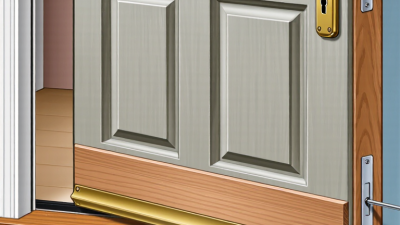
Surface repairs address dents, cracks, peeling paint, or damaged panels. Minor wood damage can often be filled and refinished, while a split panel may require more extensive work. Not every fix lasts. A door that sticks in damp weather might have swollen from moisture, so sanding alone may only provide temporary relief. Weather-stripping and threshold repairs help reduce drafts and rattling. Glass, frame, or lock repairs call for extra care, especially when the door protects an exterior entry. If the frame is loose or the door no longer closes securely, a qualified repair professional can check whether the issue extends beyond the visible damage.

How Repair Methods Vary by Door Type and Material

Door repair depends on how the door is built, where it sits, and what has failed. A solid wood door may swell after damp weather, then scrape across the threshold. Sanding can help, but removing too much wood may leave a visible gap. Sometimes the hinge screws are simply loose. Small changes matter.

Metal doors need a different approach. A dent may require careful reshaping, while rust near the bottom edge can signal deeper damage. Fiberglass doors resist moisture, but cracks around the frame still need a compatible filler and finish. Sliding doors often fail at the rollers or track; grit under the panel can make a healthy roller seem broken. Clean and inspect before replacing parts.

Interior, exterior, and glazed doors also call for different checks. A sticking bedroom door may need hinge adjustment, while an exterior door must close firmly against weather seals. Glass panels should be inspected for loose glazing or cracks, not pushed back into place by force. Fire-rated doors need their approved hardware and closing action preserved, so qualified help is sensible. Repairs are not always tidy. A door can look straight yet still catch when humidity changes; test it several times before calling the job done.

What Is Door Repair and What Types Are There? — How Repair Methods Vary by Door Type and Material
Door Type Common Materials Typical Problems Common Repair Methods When Professional Assessment Is Advisable
Interior panel door Solid wood, engineered wood, or hollow-core composite Loose hinges, sticking, small dents, cracked panels, or a latch that does not align Tighten or replace hinge screws, adjust the strike plate, sand a minor high spot, or fill and refinish small surface damage. Hollow-core doors may need a patch or replacement if the face is badly damaged. The door is split, substantially warped, or has damage that affects its frame or secure closure.
Exterior wood door Solid wood or engineered wood Swelling, peeling finish, rot, drafts, loose hardware, or sticking caused by moisture Identify and address the moisture source, remove deteriorated material, use a suitable wood repair compound for minor damage, then prime and refinish exposed wood. Adjust hinges or weatherstripping if needed. Rot extends into structural areas, the door is badly warped, or water damage is recurring.
Steel entry door Steel skin over an insulating core Dents, scratches, rust, worn weatherstripping, or misaligned hinges and latch Repair small dents with a compatible filler, remove surface rust and protect the area with appropriate primer and paint, replace worn seals, or adjust hardware. Rust has perforated the steel, the door or frame is badly distorted, or the lock area is damaged.
Fiberglass entry door Fiberglass skin over an insulating core Surface cracks, faded or peeling finish, loose hardware, or poor weather sealing Use a repair system and finish suitable for fiberglass; tighten or replace hardware and renew weatherstripping when worn. A crack is extensive, the core is exposed or wet, or the door no longer closes squarely.
Sliding patio door Glass panels with aluminum, vinyl, or wood frames Hard or uneven sliding, dirty or worn tracks, damaged rollers, failed seals, or a broken pane Clean the track, clear drainage openings, adjust or replace rollers, and renew worn seals. Glass replacement should use a correctly sized, safety-rated unit. Glass is cracked, the frame is bent, the panel may come off its track, or the door cannot be secured.
Garage door Steel, aluminum, wood, or composite panels Noisy operation, damaged panels, worn rollers, track problems, or a door that does not balance properly Clear debris from tracks, lubricate parts specified by the manufacturer, and have damaged panels or hardware inspected. Check the opener’s settings and safety sensors. A spring, cable, or track is damaged, or the door is heavy, crooked, or unsafe to operate. Torsion springs and cables are under high tension and should be handled by a trained technician.
Fire-rated door Commonly steel, timber, or composite construction with rated components Damaged seals, faulty self-closing hardware, loose hinges, or unauthorized alterations Keep the door and its listed components intact; use compatible replacement hardware and seals, and verify that it closes and latches correctly. Any alteration, damage, or repair could affect the door’s fire rating. Follow applicable local requirements and consult a qualified professional.

Tools and Skills Used in Door Repair

Door repair can mean adjusting a loose hinge, replacing damaged hardware, or fixing a door that sticks. A sticking door may come from a swollen edge, loose screws, or a frame that has shifted. Small clues matter. Look for rubbed paint, uneven gaps, and hinge movement before choosing a fix. Interior doors often need simple adjustments, while exterior doors may require closer attention to weather seals and secure fitting.

A tape measure helps check gaps and alignment. A screwdriver tightens hinge screws; a level shows whether the door hangs straight. A utility knife can trim loose sealant, while a hand plane may remove a small amount of wood from a rubbing edge. Use each tool carefully, and avoid removing too much material. A door can look crooked because of its frame, not its hinges.

Good repair also depends on patient diagnosis and steady handling. It is easy to blame a hinge too quickly; seasonal swelling or a sagging frame may be the real cause. Check one thing at a time, then test the door through its full swing. Keep fingers clear of pinch points. If the frame is badly damaged, the door is unusually heavy, or the lock does not align, a qualified repairer can assess the problem. DIY fixes are not always the right fix.

Questions? Give Us A Call!