How to Install Interior Doors from China for Global Buyers?
Buying interior doors from China can reduce sourcing costs, but successful delivery depends on more than factory pricing. UN Comtrade trade data shows the scale and complexity of global door movements across different markets. Product codes, declared materials, shipment volumes, and destination requirements must be checked carefully. A low quotation may exclude packaging, inland transport, customs clearance, or replacement parts.
The World Bank’s Logistics Performance Index 2023 highlights major differences in customs efficiency, infrastructure, and shipment reliability worldwide. These differences affect lead times for doors, frames, hardware, and installation accessories. Before production, global buyers should confirm drawings, opening sizes, swing direction, core materials, surface finishes, and fire-rating documentation. A sample should be inspected physically. Check the hinge positions and frame squareness.
Installation is equally important. Interior door installation usually requires a dry, stable room, accurate rough openings, suitable shims, and correctly aligned hinges. Wood-based products may need acclimatization before fitting, especially after sea transport through humid conditions. WDMA technical guidance and relevant local building standards can support quality checks, but they do not replace project-specific approval. Requirements vary.
The process is not flawless. A perfect factory inspection cannot prevent damage from poor site storage. A detailed purchase order can still miss a small but costly tolerance. Buyers should record moisture conditions, packaging damage, and installation results with photographs. This evidence supports practical claims and future improvements. China can offer strong manufacturing capability, yet reliable results come from controlled specifications, verified suppliers, and careful installation rather than origin alone.

Define Door Requirements, Local Codes, and Accurate Site Measurements
Before ordering interior doors from China, define the door as a technical product, not just a style choice. Record the opening width, height, wall thickness, jamb depth, swing direction, and finished floor level. Measure each opening in three places. Walls are rarely perfect. Use the smallest width and height when planning clearance, but confirm the installation method with your contractor. Specify the core material, surface finish, glazing, frame type, and hardware preparation. A simple schedule prevents expensive assumptions.
Local codes can change the order details. Check required fire performance, ventilation, accessibility, safety glazing, moisture resistance, and bedroom egress rules with a qualified local professional. Requirements differ between countries, regions, and building types. Ask for test reports and technical drawings matching the proposed door assembly. A document for a similar model may not be enough. Confirm whether hinges, locks, thresholds, and closers meet local requirements. Keep written records. They support reliable communication.
Send dimensioned drawings and clear site photos before production. Include a tape measure in the photos. Show the floor. Request a shop drawing for approval, including tolerances and packing labels. Allow space for uneven floors and seasonal movement. I once trusted a single measurement and underestimated the finished floor buildup. The door arrived usable, but installation became slower and less clean. That mistake changed my process: measure after plastering where possible, then recheck before payment. Even careful buyers need a second set of eyes.
How to Install Interior Doors from China for Global Buyers
Define door requirements, check local codes, and confirm accurate site measurements before ordering.
The chart shows common nominal interior door leaf widths used in international product catalogs, measured in millimeters.
These are reference sizes rather than guaranteed local standards. Before placing an order, verify the finished opening width,
opening height, wall thickness, frame dimensions, swing direction, and required clearances against the building codes of the
installation country.
Choose a Chinese Supplier and Verify Materials, Quality, and Certifications
Choosing a Chinese interior-door supplier requires more than comparing online prices. Ask for a factory address, production photos, material sheets, and export experience. A reliable supplier should explain the door core, face veneer, frame material, adhesive, and moisture resistance clearly. Do not accept “premium” as a technical description. Request a full sample before placing a large order. I once focused too heavily on appearance and overlooked the frame tolerance. That mistake could complicate installation.
Check quality through measurable details. Confirm door thickness, weight, dimensions, surface finish, hinge positions, and packaging standards. Ask whether each batch receives inspection records. Independent pre-shipment inspection can verify color, warping, scratches, and hardware quantities. Certifications also need careful review. Request copies with certificate numbers, issuing organizations, test dates, and covered products. Verify them through the issuer when possible. A certificate for one material may not cover the complete door set.
Tips: Compare the approved sample with finished goods before shipping. Use moisture meters for wooden components, especially in humid regions. Confirm installation drawings, wall-opening sizes, and replacement-part policies in writing. Leave small dimensional allowances for local construction differences. Keep every specification in one signed document. Verbal promises are easy to misunderstand.
Inspect the Door Set and Prepare the Installation Opening on Arrival
How to Install Interior Doors from China for Global Buyers?
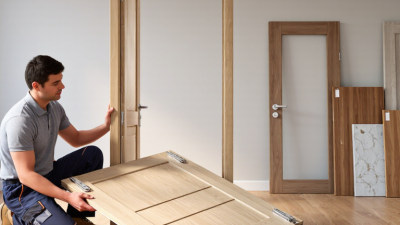
When a door set arrives from China, do not move it directly into the opening. Place the cartons on a dry, level surface first. Open the packaging carefully, avoiding deep cuts from utility knives. Check the door leaf, frame, hinges, lock body, handles, seals, and installation screws. Look for crushed corners, surface scratches, warped rails, or moisture marks. Measure the door width, height, and thickness against your order documents. Also confirm the handing and swing direction. A left-swing door can create serious delays if the opening is already finished. Take clear photos before removing protective materials. This creates reliable evidence for quality discussions.
Inspect the wall opening before installation begins. It should be square, plumb, and slightly larger than the frame. Remove loose plaster, dust, and protruding fasteners. Check the floor level, especially near tiled surfaces. A small height difference may cause the door to scrape later. Experienced installers still miss this detail sometimes. Use shims to test the frame position without fixing it permanently. Leave enough clearance for expansion and adjustment, especially in humid regions. Do not force a warped frame into place. It may look acceptable today but bind after seasonal changes.
Tips: Store the set indoors for acclimatization. Keep all hardware together in one labeled bag. Record measurements twice. If the opening is badly out of square, correct it before fitting the frame.
Install, Align, Secure, and Finish the Interior Door Properly
How to Install Interior Doors from China for Global Buyers?
Inspect the carton before opening it. Photograph crushed corners, damp marks, and twisted jambs. The World Bank’s 2023 Logistics Performance Index covers 139 economies, showing why delivery handling can vary widely. Let timber doors rest indoors for 24 to 72 hours. Keep them flat, dry, and supported. Do not install a swollen slab.
Measure the rough opening, wall thickness, hinge positions, and floor level. Imported dimensions may differ from local conventions.
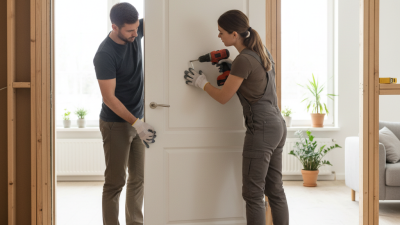
Set the jamb plumb on the hinge side. Use shims behind every hinge and near the strike plate. Maintain an even gap, usually about 3 millimeters, around the slab. Leave suitable bottom clearance for flooring and ventilation. Check local building requirements. Secure the jamb with long screws that reach structural framing, not only the trim. Hang the slab, test the swing, and adjust before tightening every screw. It should close without scraping.
Alignment affects comfort and energy performance. The U.S. Department of Energy estimates that air leakage can represent 5% to 30% of household heating and cooling energy use. Interior doors are not exterior seals, but careless gaps still reduce privacy and may disturb airflow. Foam the perimeter lightly, because excessive expansion can bend the jamb. Fill fastener holes, sand exposed edges, and apply finish to cut surfaces. Small flaws remain visible. A rushed final coat often makes the door look cheaper than it is.


 Questions? Give Us A Call!