China’s commercial exterior doors sector has become a serious sourcing market for contractors, developers, and facility owners. Product choices now extend beyond steel entry doors. They include thermally broken aluminum systems, insulated metal doors, glass storefronts, fire-rated assemblies, and high-security entrances.
Industry evidence supports this wider view. Grand View Research reports continued growth in the global doors market, driven by construction, renovation, energy efficiency, and stricter building performance expectations. The Freedonia Group also identifies nonresidential construction and replacement demand as important commercial door drivers. However, broad market reports can hide practical differences between suppliers. They rarely show how a factory handles coastal corrosion, repeated impact, uneven installation, or replacement hardware.
Safety remains central. Lori Greene, AHC/CDC, a recognized door and hardware consultant, has stated, “A fire door is a life-safety product.” Her point applies to exterior assemblies requiring verified ratings, compliant hardware, controlled closing, and documented inspection procedures. Appearance alone is not evidence.
This guide examines China’s top 10 commercial exterior doors manufacturers through measurable criteria. These include manufacturing experience, testing capability, material quality, customization, thermal performance, weather resistance, certifications, export records, and after-sales support. Factory photographs matter, but test reports matter more. A polished catalog proves little.
No ranking is flawless. Project location changes the answer. A warehouse in Shenzhen may need different protection than a hotel in Canada or a school in Australia. Buyers should verify current certificates, mock-up results, warranty terms, and installation responsibilities before placing an order. That final step is often neglected.
A leading commercial exterior door manufacturer is judged by more than production volume. Practical experience appears in details: reinforced frames, accurate hinge alignment, weather seals, and finishes that resist daily abuse. A reliable factory should explain its materials clearly. It should also provide test records for air leakage, water resistance, wind pressure, fire performance, and repeated opening cycles.
Factory capability matters. Visitors should see organized welding areas, controlled coating rooms, and inspection points beside the assembly line. Experienced manufacturers use calibrated tools, documented tolerances, and sample approvals before mass production. They can adapt doors for hotels, hospitals, offices, and industrial buildings without treating every project identically. That flexibility is valuable.
But no factory is flawless.
A polished showroom may hide inconsistent quality. Price alone proves little. Buyers should review production photos, independent reports, packaging methods, and previous project references. Clear shop drawings and honest lead-time discussions also show professionalism. Coastal projects need stronger corrosion protection, while cold regions require suitable thermal breaks and sealing systems.
Communication reveals expertise. A dependable manufacturer asks about traffic frequency, security needs, local weather, accessibility, and installation conditions. It should support site measurements and offer practical after-sales guidance. Some suppliers still rely too heavily on attractive samples. That weakness deserves attention. A truly leading manufacturer keeps improving through inspection data, customer feedback, and careful correction of mistakes.
Choosing among China’s top ten commercial exterior door manufacturers requires more than comparing catalog prices. Performance starts with evidence. Ask for independently verified reports covering air leakage, water penetration, wind resistance, thermal performance, and fire ratings where required. Confirm that testing matches the proposed door system, not an unrelated sample. A site visit can reveal welding quality, sealing methods, storage conditions, and production discipline.
Experience also matters during evaluation. Request projects with similar building heights, traffic levels, climates, and opening sizes. Speak with previous buyers about delivery accuracy, installation support, replacement parts, and warranty response. Inspect sample doors closely. Check frame alignment, gasket compression, hinge movement, lock operation, drainage paths, and coating thickness. Stainless steel, aluminum, and galvanized components should suit the site’s moisture and pollution levels. A polished catalog is not proof.
Reliable manufacturers provide clear drawings, material certificates, inspection plans, and traceable quality records. Their engineers should explain tolerances, hardware cycles, maintenance intervals, and realistic lead times. Compare factory capacity with your order volume, but avoid trusting impressive machinery alone. Some suppliers communicate well before receiving payment, then respond slowly after production begins. That risk deserves attention. No scorecard is perfect. I would still assign weight to factory audits, transparent corrective actions, and references that can be independently checked. A low quotation may hide thinner profiles, weaker hardware, or limited after-sales support.】【。
China’s top 10 commercial exterior door manufacturers are often judged by performance, not advertising. Strong suppliers usually produce aluminum, steel, or glazed entrance systems for offices, hotels, hospitals, and retail buildings. Their factories should show controlled welding, accurate cutting, and consistent powder coating. Small details matter. A door leaf that closes poorly can damage accessibility, security, and energy performance.
From my experience reviewing commercial door projects, reliable manufacturers provide tested specifications before quoting. These documents should cover air leakage, water resistance, wind pressure, fire performance, hardware life, and thermal insulation. Factory audits can reveal more than polished websites. Check sample joints, gasket compression, drainage paths, and frame tolerances. Ask how replacement parts are handled after installation. This is often overlooked.
The leading ten suppliers may differ in specialization. Some focus on heavy steel doors. Others produce slim aluminum systems or large glazed entrances. A capable manufacturer can adapt dimensions without weakening the frame. Clear shop drawings and responsive engineering support are valuable. Still, no ranking is permanent. A supplier may deliver excellent samples but struggle with a large order. That risk deserves attention. Buyers should compare production capacity, inspection records, certifications, packaging, and installation guidance before choosing a long-term partner.
China Top 10 Commercial Exterior Doors Manufacturers: Product Categories, Materials, and Customization Options
Commercial exterior doors serve different operational needs. Main categories include aluminum storefront doors, steel security doors, glass entrance systems, fire-rated doors, insulated loading doors, and automatic sliding units. The International Energy Agency reports that buildings consume about 30% of global final energy demand. Therefore, door selection affects more than appearance. Air leakage, thermal bridging, and poor installation can raise operating costs. Small gaps matter.
Materials should match exposure and traffic. Aluminum offers low weight and corrosion resistance, while galvanized steel provides stronger impact protection. Stainless steel suits coastal or humid sites, but costs more. Laminated or tempered glass improves visibility, although glass requires careful solar-control planning. The U.S. Department of Energy identifies the building envelope as a major factor in energy performance. That makes thermal breaks, insulated cores, weather seals, and tested U-values important specifications.
Customization often covers dimensions, hinge position, glazing type, panic hardware, access control preparation, powder-coat color, and threshold design. For logistics buildings, reinforced frames and high-cycle hardware may be practical. Retail projects usually prioritize visibility and smooth customer flow. Manufacturers should provide drawings, test reports, sample finishes, and installation guidance. Certification claims need verification against the project’s destination-market standards. One weakness remains common: buyers compare door prices, but overlook maintenance access and replacement-part availability. A cheaper door can become expensive after repeated alignment failures.
| Rank | Anonymous Manufacturer Profile | Main Commercial Exterior Door Categories | Common Materials and Finishes | Typical Customization Options | Typical Performance Features | Common Commercial Applications | Relevant Standards or Testing Areas | Typical Supply Scope |
|---|---|---|---|---|---|---|---|---|
| 1 | Profile A High-Volume Commercial Door Manufacturer |
Storefront doors Entrance systems Double-leaf doors | Thermally broken aluminum frames, tempered or laminated safety glass, powder-coated or anodized finishes, stainless-steel hardware. | Door width and height, glass configuration, frame color, panic hardware, closers, access-control preparation, transoms, and sidelights. | Weather resistance, corrosion resistance, impact-resistant glazing options, controlled closing, and moderate thermal performance. | Retail stores, shopping centers, office buildings, hotels, and commercial lobbies. | Safety glazing requirements, air and water infiltration testing, wind-load calculations, hardware testing, and project-specific building codes. | Standardized production for container shipments and project-based commercial orders. |
| 2 | Profile B Fire-Rated Steel Door Specialist |
Fire-rated doors Steel service doors Exit doors | Galvanized steel sheets, mineral-fiber or honeycomb cores, stainless-steel hinges, fire-rated glass, and baked enamel or powder coatings. | Fire-resistance rating, vision panels, louvers, kick plates, door closers, panic exit devices, smoke seals, thresholds, and hardware finish. | Fire and smoke control, structural durability, sound-reduction options, corrosion protection, and frequent-use resistance. | Industrial buildings, warehouses, stairwells, utility rooms, hospitals, schools, and commercial corridors. | Fire-door assembly testing, self-closing requirements, positive-latching requirements, smoke-control provisions, and local code approval. | Door-leaf and frame sets supplied as complete tested assemblies where required. |
| 3 | Profile C Industrial and Logistics Door Manufacturer |
Rolling doors Sectional overhead doors High-speed doors | Galvanized steel, aluminum, insulated sandwich panels, PVC curtains, stainless-steel components, and polyurethane insulation cores. | Clear opening dimensions, wind-load class, insulation thickness, operating speed, motor voltage, control systems, windows, and safety sensors. | High cycle capability, wind resistance, thermal insulation, air leakage reduction, impact recovery, and operational safety. | Distribution centers, factories, loading bays, cold-storage facilities, logistics parks, and workshops. | Wind-load calculations, cycle testing, machine safety, electrical safety, emergency release, and site-specific structural requirements. | Factory-prepared systems with technical drawings, installation manuals, and replacement components. |
| 4 | Profile D Aluminum and Glass Entrance Specialist |
Frameless glass doors Aluminum pivot doors Automatic entrances | Aluminum alloy profiles, tempered glass, laminated glass, stainless steel, silicone seals, and anodized or fluorocarbon-coated surfaces. | Single or double glazing, pivot or hinged operation, sensor packages, access-control integration, decorative patterns, handles, and custom colors. | Daylight transmission, corrosion resistance, smooth operation, accessibility features, wind-load suitability, and optional thermal breaks. | Corporate headquarters, airports, hotels, banks, showrooms, restaurants, and premium retail entrances. | Safety glazing, accessibility, automatic-door safety, air and water performance, thermal calculations, and local entrance-system regulations. | Bespoke architectural packages with shop drawings and coordinated hardware schedules. |
| 5 | Profile E Security and Blast-Resistant Door Manufacturer |
Security doors Forced-entry doors Blast-resistant systems | Reinforced steel, stainless steel, ballistic-resistant panels where specified, composite cores, multi-point locks, and protective coatings. | Security level, steel thickness, lock configuration, access-control hardware, glazing type, frame anchoring, blast criteria, and finish color. | Forced-entry resistance, enhanced impact resistance, controlled access, weather sealing, and optional ballistic or blast performance. | Data centers, financial facilities, government buildings, utility sites, substations, and high-security commercial premises. | Forced-entry testing, ballistic or blast testing when specified, lock performance, emergency egress, corrosion testing, and project security criteria. | Made-to-order systems requiring engineering review and project-specific documentation. |
| 6 | Profile F Stainless-Steel and Coastal-Duty Door Manufacturer |
Stainless doors Marine-duty doors Wash-down doors | 304 or 316 stainless steel, aluminum, laminated panels, marine-grade hardware, EPDM gaskets, and brushed, polished, or powder-coated surfaces. | Stainless-steel grade, surface finish, threshold type, drainage details, vision panels, hardware material, door size, and special seals. | High corrosion resistance, moisture tolerance, cleanability, impact resistance, and suitability for humid or salt-laden environments. | Coastal buildings, food-service areas, airports, hospitals, laboratories, hotels, and industrial wash-down zones. | Corrosion-resistance evaluation, hygienic design considerations, safety glazing, water resistance, hardware durability, and local building codes. | Fabricated-to-order doors for coastal, humid, and demanding maintenance environments. |
| 7 | Profile G Commercial Wood and Metal-Clad Door Manufacturer |
Exterior wood doors Metal-clad wood doors Hotel entrance doors | Engineered timber, hardwood veneers, aluminum cladding, steel subframes, insulated cores, low-emission coatings, and weather-resistant sealants. | Veneer species, stain color, laminate finish, glazing layout, decorative panels, dimensions, concealed closers, thresholds, and ironmongery. | Weather protection, acoustic insulation options, thermal insulation, dimensional stability, controlled moisture exposure, and aesthetic flexibility. | Hotels, restaurants, luxury retail, offices, private clubs, residential-commercial developments, and reception areas. | Moisture-performance assessment, safety glazing, fire-rating options, acoustic testing, air leakage, and finish durability. | Custom architectural production with finish samples and approval drawings. |
| 8 | Profile H Energy-Efficient Thermal Door Manufacturer |
Insulated exterior doors Thermal-break doors Low-energy entrance systems | Thermally broken aluminum, insulated steel panels, polyurethane or mineral-wool cores, low-emissivity glass, EPDM seals, and durable coatings. | U-value target, glazing type, thermal-break profile, panel thickness, frame depth, threshold design, color, hardware, and entrance configuration. | Reduced heat transfer, improved air tightness, condensation control, weather resistance, acoustic options, and energy-efficiency support. | Energy-efficient offices, retail buildings, schools, hotels, mixed-use developments, and climate-controlled facilities. | U-value calculations, air and water infiltration, thermal-bridge analysis, condensation assessment, safety glazing, and regional energy codes. | Project-based supply supported by thermal calculations and performance data. |
| 9 | Profile I Automatic and Access-Control Door Manufacturer |
Sliding automatic doors Swing operators Revolving doors | Aluminum profiles, tempered or laminated glass, stainless-steel covers, reinforced door rails, sensors, motors, and electronic control modules. | Opening width, traffic direction, sensor type, access-control interface, emergency breakout, opening speed, glass layout, canopy, and finish. | Touchless access, controlled pedestrian flow, obstacle detection, emergency opening, cycle durability, accessibility support, and weather management. | Hospitals, supermarkets, airports, hotels, office towers, shopping malls, and public-service buildings. | Automatic-door safety, emergency egress, accessibility, electrical safety, sensor performance, cycle testing, and local fire-code provisions. | Complete operator packages with controls, sensors, installation guides, and commissioning support. |
| 10 | Profile J Modular and Project-Based Entrance Systems Manufacturer |
Curtain-wall doors Multi-panel entrances Custom façade doors | Aluminum curtain-wall profiles, insulated glass units, laminated glass, steel reinforcement, silicone weather seals, and architectural coatings. | Façade integration, panel arrangement, mullion alignment, glass specification, structural reinforcement, access control, color, and hardware package. | Façade compatibility, wind-load resistance, water management, thermal performance, acoustic options, daylighting, and coordinated installation. | Commercial towers, shopping centers, convention centers, airports, campuses, and large mixed-use developments. | Structural calculations, air and water testing, thermal performance, safety glazing, façade interface requirements, and project building codes. | Engineering-led export projects with coordinated shop drawings, samples, packing, and installation documentation. |

China Top 10 Commercial Exterior Doors Manufacturers?
How to Select the Right Chinese Manufacturer for Your Project
Choosing among China’s top commercial exterior door manufacturers requires more than comparing online catalogs. Define the door’s exposure, traffic level, dimensions, fire requirements, and local climate first. Coastal projects need stronger corrosion protection. Busy entrances need tested hardware and durable hinges.
Energy performance deserves serious attention. The IEA’s 2023 Global Status Report states that buildings consumed about 30% of global final energy and produced 26% of energy-related emissions in 2022. The 2023 UNEP Global Status Report reports that buildings represented 34% of global energy demand and 37% of energy-related and process emissions. Ask manufacturers for tested U-values, air-leakage results, water resistance, and thermal-break details. These figures matter.
Do not trust polished brochures alone. Request a factory audit, production photos, material certificates, and test reports for the exact door configuration. Check steel or aluminum grades, coating thickness, glass specification, seals, packaging, and replacement-part availability. ISO 9001 registration can support process control, but it does not prove product performance. I learned this the hard way.
Order a pre-production sample. Inspect frame joints, drainage paths, closing force, and surface finish yourself. Confirm tolerances before mass production. Ask for references from similar buildings and verify actual delivery records. A low quotation may hide weak packaging, unclear warranty terms, or expensive site adjustments. Some details will still be missed. That is why a written inspection plan and independent pre-shipment inspection remain practical safeguards.
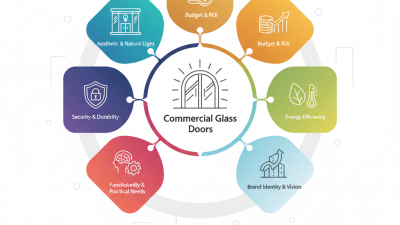
This procurement model compares the key factors typically used when selecting a Chinese commercial exterior door manufacturer. The suggested weights total 100% and can be adjusted according to project type, climate, budget, and certification requirements.