Top 10 Commercial Interior Doors You Should Consider Now?
In the dynamic world of commercial spaces, the choice of interior doors plays a crucial role. Experts like John Smith, a well-known architect specializing in commercial design, emphasize that "the right commercial interior doors can elevate a space's aesthetic while offering functionality." This statement reflects the importance of selecting the perfect doors for your business environment.
The variety of commercial interior doors available today can cater to diverse styles and needs. From sleek glass installations to robust wooden options, each type serves a distinct purpose. However, with numerous choices comes the challenge of making an informed decision. Business owners should consider factors like durability, maintenance, and aesthetics when selecting their doors.
Finding the ideal commercial interior doors is not just about looks. Functionality must align with the overall vision of the space. Thus, understanding the impact of these doors can lead to better choices. It’s not just about installation; it’s about investing in an environment that promotes productivity and comfort. Reflecting on these elements can guide you to a selection that truly fits your business ethos.
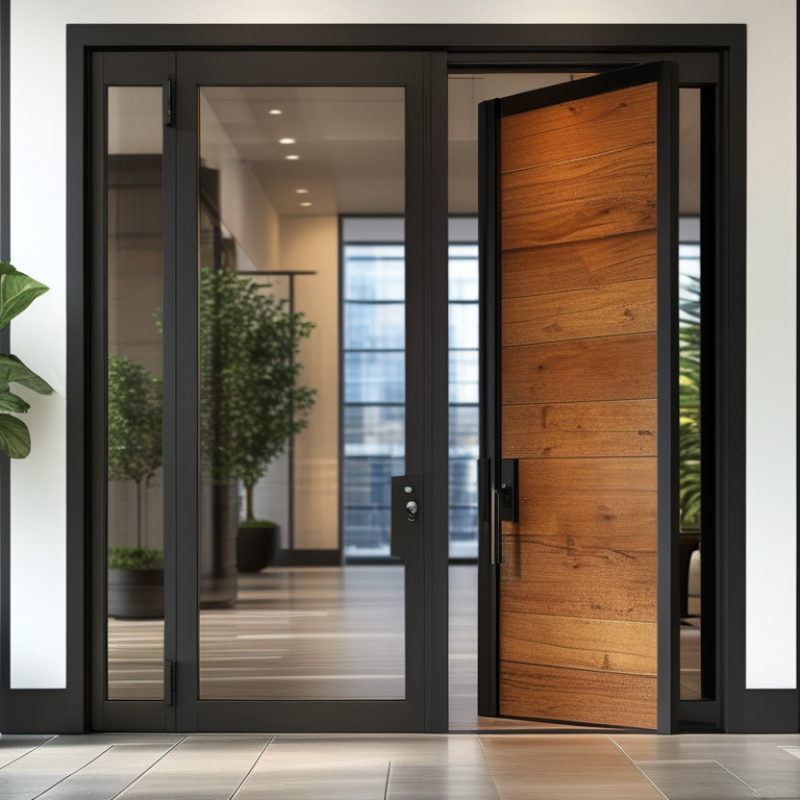
Top Trends in Commercial Interior Door Materials for 2023
As we delve into 2023, the commercial interior door market showcases an impressive evolution in materials. Wood and metal have long been popular choices, but alternatives have gained traction. For example, composite materials blend durability with aesthetic appeal. These doors are not only lightweight but also offer good insulation, making them a smart choice for energy efficiency.
Sustainability is a key concern in today’s design landscape. Many businesses now prefer eco-friendly materials for their interior doors.
Recycled metals and reclaimed wood options are emerging as top contenders. These materials provide solid performance while reflecting a commitment to environmental responsibility. However, companies must ensure that these sustainable choices do not compromise on quality or style.
Another trend is the increasing integration of technology. Smart doors with advanced locking systems enhance security and convenience. Yet, this integration can sometimes complicate installation and maintenance processes. Businesses should weigh the benefits against potential challenges. Each choice in commercial interior doors has unique implications, and careful consideration is essential for creating functional and inviting spaces.
Understanding Fire-Rated Doors and Their Importance in Commercial Spaces
In commercial spaces, fire-rated doors serve a crucial purpose. They help contain flames and smoke, providing valuable time for evacuation. These doors are constructed using specific materials that withstand high temperatures. Understanding their importance goes beyond compliance; it is about ensuring safety for everyone inside.
Many businesses overlook the benefits of fire-rated doors. Some may think any door will suffice. However, using standard doors in fire-prone areas can lead to fatal outcomes. Reliable fire-rated doors are tested and certified for their performance. They create barriers that slow down the fire’s spread, protecting lives and property.
Selecting the right fire-rated door involves understanding various factors. Consider the rating required for your space. Be mindful of the locations where these doors will be installed. Regular maintenance and inspections are essential, yet often neglected. Without proper care, even the best doors may fail in emergencies. It’s vital to prioritize safety and compliance to protect occupants effectively.
A Comparative Analysis of Acoustic Performance in Interior Doors
When choosing interior doors, acoustic performance should be a primary consideration. The sound insulation capability of a door can significantly affect the overall comfort and privacy of a space. Not all doors provide equal acoustic performance; some options might even allow more noise to filter through, which can disrupt a serene environment.
Materials play a crucial role in soundproofing. Solid core doors often outperform hollow ones in this aspect. A solid core door generally weighs more and has denser materials, which help absorb sound waves effectively. On the other hand, hollow doors may seem more affordable, but they frequently fall short in noise reduction. Testing end-user experiences often reveals dissatisfaction with hollow doors' acoustic qualities.
Another factor is the door seals. Proper sealing around the door frame can enhance sound blocking. Gaps between the door and frame can significantly compromise acoustics. Even the most soundproof door can fail if it doesn’t fit perfectly. Users can reflect on their experiences to gauge the real-world performance of their chosen doors. Each project may have unique acoustic needs, reminding us that there is no one-size-fits-all solution in interior door selection.
Top 10 Commercial Interior Doors You Should Consider Now
| Door Type |
Material |
Acoustic Rating (STC) |
Fire Rating (Hours) |
Cost Range ($) |
| Hollow Core Door |
MDF |
25 |
1 |
150 - 250 |
| Solid Core Door |
Wood |
35 |
1.5 |
300 - 500 |
| Fiberglass Door |
Fiberglass |
30 |
2 |
400 - 600 |
| Steel Door |
Steel |
40 |
3 |
500 - 800 |
| Laminate Door |
Laminate |
28 |
1 |
200 - 350 |
| Acoustic Door |
Solid Wood |
45 |
2 |
650 - 900 |
| Glass Door |
Tempered Glass |
20 |
0.5 |
300 - 700 |
| Pocket Door |
Wood |
25 |
1 |
250 - 400 |
| Sliding Door |
Aluminum |
30 |
1 |
400 - 700 |
| Bi-Fold Door |
Wood |
20 |
0.5 |
150 - 300 |
Sustainable Door Options: Eco-Friendly Choices for Modern Businesses
In today’s business landscape, sustainability is crucial. Eco-friendly doors not only enhance aesthetics but also reflect brand values. Many businesses seek materials with a lower environmental impact. Sustainable options include reclaimed wood, bamboo, and recycled metal. These materials are not only stylish but also promote responsible consumption.
Reclaimed wood doors offer unique textures and history. Each door tells a story of its previous life, adding character to any space. Bamboo is another viable option, known for its rapid growth. It’s strong, lightweight, and naturally resistant to moisture, making it ideal for commercial use.
While these materials have their benefits, businesses must consider their availability and cost. Sourcing sustainable materials can sometimes be challenging. Sustainability should not compromise quality. Thus, striking a balance between eco-friendliness and functionality is vital. Focusing on sustainable choices can enhance both the environment and the business's bottom line in the long run.
Cost-Benefit Analysis of Different Interior Door Styles for Commercial Use
When selecting commercial interior doors, understanding cost vs. benefits is crucial. Different styles offer unique advantages at varying price points. For instance, solid wood doors provide durability and a classic aesthetic, but they can be costly. Conversely, hollow core doors are lightweight and economical, yet may not offer the same soundproofing and insulation qualities.
It's essential to consider maintenance and longevity alongside the initial purchase price. Fiberglass doors are increasingly popular for their weather resistance and low upkeep, making them a smart long-term investment. However, their high upfront costs can deter some businesses. Reflect on the specific needs of your space. A door that looks appealing might come with hidden vulnerabilities.
In the end, the choice is not simply about aesthetics. It's about how well the door fits your operational needs and budget. Each style has its pros and cons; careful evaluation will guide you.



 Questions? Give Us A Call!