What Is the Best Type of Exterior Door?
Choosing the best exterior door is not just a style decision. It affects comfort, security, durability, and the way a home meets rain, wind, and daily use. Matt Risinger, a builder and building-science educator, is known for the principle, “A house is a system.” That idea matters at the doorway: even a well-made door can underperform when its frame, weatherstripping, or installation is overlooked.
There is no single best material for every home. Fiberglass can offer strong insulation and resist moisture, while steel often provides durability at a practical price. Wood brings natural warmth and can suit traditional architecture, but it needs regular care. Look closely at the details. Does the threshold feel solid? Are the seals continuous? Can you see daylight around the closed slab? Small clues matter.
The sections ahead compare door materials, energy performance, security features, maintenance, and cost. They also consider climate and installation, because those choices shape real-world results. A sunny entry and a wind-driven, rain-exposed porch do not face the same demands. Measure twice. Ask about warranties and certified performance ratings, then compare complete installed costs rather than door prices alone. One honest caveat: ratings cannot predict every home’s conditions. The best exterior door is the one that fits the opening, suits the exposure, and can be maintained well.
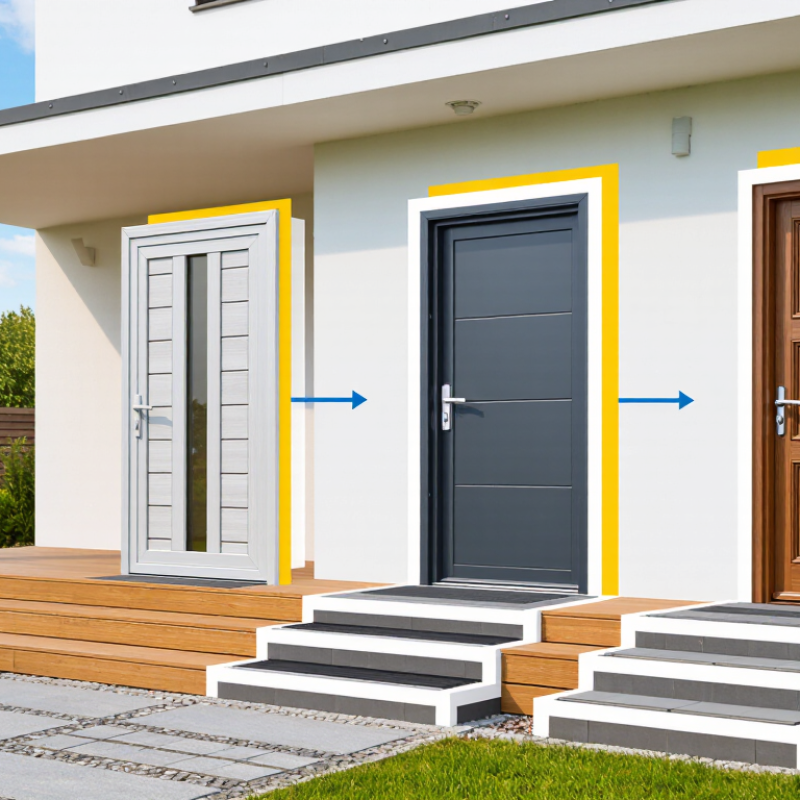
How Exterior Doors Are Classified by Material and Construction
What Is the Best Type of Exterior Door?
Exterior doors are commonly classified in two ways: by material and by construction. Material affects appearance, maintenance, insulation, and resistance to weather. Construction describes how the door is built, including its core, frame, and panel design. A solid-looking door may contain a lightweight core, so appearance alone can be misleading. Read the specifications.
Wood doors offer a natural grain and can often be repaired or refinished. They may need more upkeep, especially where rain and strong sun are common. Fiberglass doors resist moisture and can imitate wood grain, while steel doors provide a firm, often budget-conscious option. Their finishes can still dent or scratch. No material is perfect.
Construction matters just as much. Solid-core doors feel substantial and can help reduce sound transfer. Insulated cores may improve comfort, but performance depends on the whole assembly, including weatherstripping and installation. A beautifully finished slab can still leak air if it sits poorly in the frame. That detail is easy to overlook.
Tips: Check the door’s energy and water-resistance ratings, then match them to your climate. Measure the frame carefully. Ask how the finish and hardware should be maintained. If you are replacing only the slab, confirm its thickness, swing, and hinge positions before ordering. A small mismatch can become an expensive nuisance.
Key Factors for Evaluating an Exterior Door
Choosing an exterior door means balancing insulation, security, durability, and fit—not simply picking a material. Start with the NFRC label: its U-factor estimates heat transfer, and lower values generally indicate better insulation. The National Fenestration Rating Council provides standardized ratings, making comparisons between products more meaningful. In cold climates, also inspect weatherstripping and the threshold; small gaps can make a well-rated door feel drafty. Check the sill.
Material affects maintenance as well as performance. Fiberglass resists moisture and usually needs little upkeep, while steel can dent or scratch but offers a sturdy surface. Solid wood has natural character, though changing humidity can cause swelling or sticking. Feel the door’s weight, inspect its edges, and ask how its finish performs in direct sun and driving rain. Installation matters, too. A poorly leveled frame may leak air or fail to latch smoothly.
Budget decisions deserve context. The 2024 Cost vs. Value report estimated a national average resale value of $4,430 for a steel entry-door replacement project costing $2,355. That estimate is not a guaranteed return; local labor, housing markets, and project scope change the result. A sensible comparison includes the door, frame, hardware, installation, and expected maintenance. I’d still avoid judging quality by price alone: the fit at the jamb can matter more than an impressive specification sheet.
What Is the Best Type of Exterior Door?
A practical comparison of common exterior door materials
Ratings use a qualitative 1–5 scale, where 5 is more favorable. They summarize typical material trade-offs rather than standardized test results; the actual performance of a door depends on its construction, finish, installation, and climate. Fiberglass is a balanced option, while steel can be a strong choice for durability and low maintenance.
Performance of Common Exterior Door Types
What Is the Best Type of Exterior Door?
Performance depends on more than the door’s material. Its insulated core, frame, weatherstripping, and installation all affect comfort. The U.S. Department of Energy’s Energy Saver guide notes that many steel doors use polyurethane-foam cores. Insulated fiberglass models can also reduce heat transfer, while wood doors may need more upkeep against moisture and sun.
A high-performing slab can still feel chilly if air slips around its edges. Fit matters.
ENERGY STAR’s Version 6.0 residential door criteria set maximum U-factors by climate zone: 0.17 in the Northern zone, 0.20 in North-Central, 0.23 in South-Central, and 0.30 in Southern, measured in Btu/h·ft²·°F. Lower U-factors indicate less heat transfer. These thresholds offer a useful comparison, not a promise of comfort in every home. Real houses are messier.
Check the National Fenestration Rating Council label when comparing models; its ratings help assess a complete product, rather than material claims alone. Steel may suit a sheltered entry where low maintenance matters. Fiberglass can be practical in exposed, damp conditions. Wood may appeal where repairability and appearance matter, but inspect its finish regularly. Also compare air leakage and glazing, if present. A door’s rating cannot account for a crooked frame or worn threshold, so installation quality still deserves attention.
How Climate, Security, and Budget Affect Door Selection
Climate should shape the door material as much as appearance does. In cold regions, an insulated steel or fiberglass door can reduce drafts, especially when paired with tight weatherstripping and a properly fitted threshold. Cold air finds gaps. In wet or coastal areas, moisture-resistant finishes and durable hardware matter; wood can look warm and inviting, but needs regular maintenance. Strong sun may fade finishes and heat dark surfaces, so consider shade and exposure before choosing a color. Local conditions vary, and installation can matter as much as the door itself.
Security depends on the complete entry, not just a heavy slab. A reinforced frame, quality deadbolt, and long screws securing the strike plate can help resist forced entry. Ask an experienced installer to check the frame and hinges, especially in older homes where openings may be uneven. Still, no door makes a home completely secure. Budget also means looking beyond the purchase price. Compare insulation, maintenance, hardware, and likely repair costs over time. A lower-cost door may be sensible for a sheltered entry, while a more durable option could pay off on an exposed side of the house. I would measure the opening twice—and then have someone verify it. Mistakes happen.
How to Choose the Best Exterior Door for Your Home
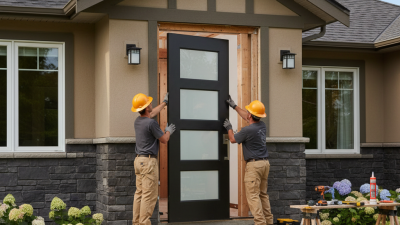
Choosing the best exterior door starts with your home’s conditions, not its appearance. Note whether the entrance faces harsh sun, driving rain, or freezing winds. A door exposed to weather needs a durable finish, a tight seal, and a threshold that sheds water. Check the frame too. Even a well-made door can feel drafty when the frame is poorly fitted.
Material affects comfort and upkeep. Fiberglass resists moisture and usually needs little maintenance, while steel offers a sturdy, insulated option. Wood brings natural warmth, but it may need periodic painting or sealing, especially in damp climates. Touch the interior surface on a cold day if possible. A chilly spot near the edge can point to air leakage. Small clue.
Think about daily use. Measure the opening, including the frame, and confirm which way the door should swing. A door that opens into a narrow hallway can obstruct movement. Glass panels brighten an entry, but consider privacy and how much afternoon heat reaches the room. Do not overlook the lock, hinges, or weatherstripping; these details shape security and comfort. Installation matters as much as the door itself, and I would not assume an older frame is square just because it looks fine. A qualified installer can check the opening and explain whether repairs are needed before the new door goes in.


 Questions? Give Us A Call!