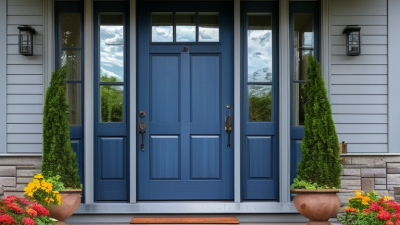
Why Is French Door Installation Important?

French doors can make a room feel brighter and more connected to a patio. But their performance depends on more than attractive glass and handles. French door installation affects how smoothly the panels move, how securely they close, and how well the opening resists drafts and rain. Small gaps matter. A thin line of daylight around the frame can signal trouble.

A careful installer checks the opening before setting the frame. The sill must sit level, the jambs must remain plumb, and the doors need even clearance. Otherwise, one panel may rub while the other leaves a narrow, cold gap. “Measure the opening, level the frame, and seal it with care” is a useful installer’s rule of thumb. It is practical guidance, not a quotation attributed to a named expert; a verified expert quotation would need a reliable source.

Good work continues after the doors are in place. Proper flashing and compatible sealant help manage water around the frame, while correctly adjusted hinges and locks support smooth operation. The details are easy to overlook. They are not minor. Even skilled installers can face an uneven opening in an older home, so careful shimming and a final inspection matter. Homeowners should also confirm the door’s instructions and warranty requirements before work begins. French door installation is important because it protects comfort, function, and the value of the opening—not just the finished look.
Why Is French Door Installation Important?

What French Door Installation Involves

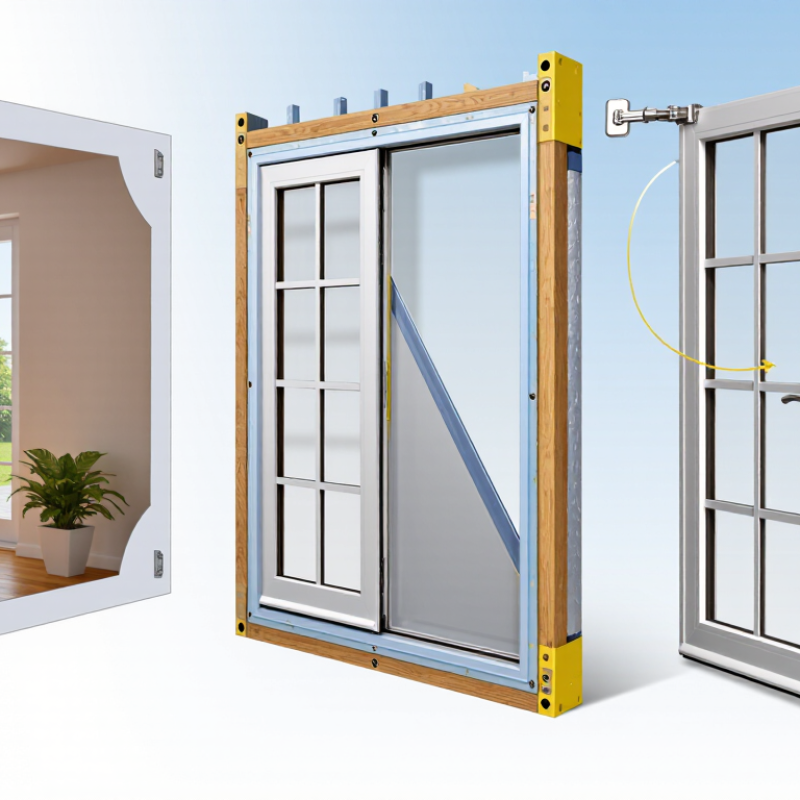
French door installation involves more than fitting two panels into an opening. The installer checks the rough opening for width, height, and square, then inspects the framing for damage or uneven surfaces. A small discrepancy matters. If the opening is out of square, one door may rub while the other leaves an uneven gap.

The sill must sit level and receive suitable flashing to help direct water away from the interior. The door frame is positioned, shimmed, and fastened, with a level used to check the sides and head. Shims should support the frame without forcing it out of shape. That sounds simple. It isn’t always. Older walls can bow, and measurements taken before removing the old frame may not reveal the full condition of the opening.

After fastening, the installer checks that both doors swing freely, meet evenly, and latch without excessive force. Weatherstripping and the threshold are inspected for continuous contact, since small gaps can invite drafts or moisture. Insulation around the frame should fill voids without expanding so much that it pushes the jamb inward. Final adjustments may be needed after the doors settle; a latch that almost catches is still a problem worth correcting.

Why Is French Door Installation Important? — What Installation Involves

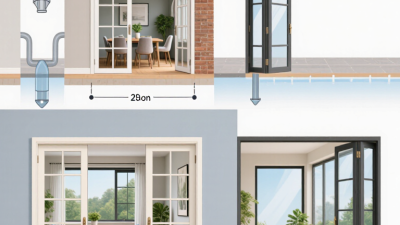
Accurate installation starts with measuring the opening and checking that the frame is level, plumb, and square. The chart shows example nominal widths for French door pairs; actual unit dimensions and required rough-opening sizes vary by product. Proper shimming, fastening, and perimeter sealing help the doors operate smoothly and limit drafts and moisture intrusion.

How Proper Installation Ensures Structural Stability

Why Is French Door Installation Important?

A French door installation affects more than appearance. The paired panels add weight and movement to a wide opening, so the frame must sit square and remain firmly attached to sound framing. If the jamb leans, one door may swing open, rub the threshold, or leave uneven gaps.

That matters. Not cosmetic alone.

The installer checks the rough opening for level, plumb, and adequate support before setting the unit. Shims behind hinge and latch points help keep the jamb straight without bowing it. Fasteners should reach structural framing, not just thin trim. The header above the opening must also suit the wall and span; an installer should not assume it is adequate.

Small gaps can be deceptive.

After fastening, the doors should open smoothly and meet evenly, with consistent margins along the top and sides. A level alone is not enough. The frame can look true while the sill slopes or the jamb twists slightly. Weather seals and careful flashing help protect surrounding materials, but they cannot correct a poorly supported frame. Older houses may have hidden movement or patched framing, so unexpected conditions deserve closer inspection rather than a quick adjustment. Even experienced installers can overlook a subtle twist. Rechecking after fastening is worthwhile.

How Accurate Sealing Improves Energy Efficiency

French doors bring in daylight, but their broad glass panels and meeting edges can expose weak seals. On a cold, windy evening, even a narrow gap may create a noticeable draft near the floor. The U.S. Department of Energy estimates that heat gain and loss through windows account for 25–30% of residential heating and cooling energy use. That figure concerns windows, not French doors specifically, but it shows why glazed openings deserve careful attention.

Accurate installation keeps the frame square and the door aligned, allowing weatherstripping to compress evenly. Installers should seal the rough opening between the frame and wall, then check the threshold, head, and center meeting stile. Small gaps matter. ENERGY STAR estimates that air sealing and insulation improvements can save households an average of 15% on heating and cooling costs. This is a combined measure, not a guarantee for one door; results vary with climate, workmanship, and existing insulation.

After installation, test both panels for smooth latching and inspect the perimeter for daylight or moving air. A door that sticks may have an alignment problem, while excess foam can distort its frame. Check performance data, including U-factor and solar heat gain coefficient, alongside the quality of the installed seal. A rating cannot correct careless fitting, and a neat bead of caulk does not prove the hidden cavity is sealed.

Why Door Alignment Matters for Security and Daily Use

Why Is French Door Installation Important?
Why Door Alignment Matters for Security and Daily Use

French doors must meet evenly, swing without rubbing, and latch with steady pressure. A small shift can make the active door scrape the floor or leave the meeting edges uneven. More importantly, misalignment may stop a latch or multipoint bolts from engaging fully. A door that looks closed is not necessarily locked securely.

Alignment also affects comfort. The U.S. Department of Energy’s Energy Saver guidance estimates that air leakage accounts for 25% to 40% of heating and cooling energy use in a typical home. That figure covers the whole home, not French doors alone, but gaps around a door can contribute to drafts. Small gaps matter. A visual check cannot confirm every hidden issue, so persistent sticking or a loose latch deserves professional inspection.

Tips: Close both doors slowly and watch the meeting edges. Check for rubbing, uneven gaps, and a latch that needs force. Recheck after seasonal weather changes; frames can shift slightly. If the doors still resist, have an experienced installer assess the hinges, frame, and hardware.

Why Is French Door Installation Important? - Why Door Alignment Matters for Security and Daily Use

Alignment area What to check Possible effect of misalignment Why it matters Practical response
Door frame and opening The frame should be square, level, and securely fixed; the gap around each door should be reasonably even. Uneven gaps, rubbing, or doors that swing open or closed on their own. A poorly set frame can make smooth operation and consistent sealing difficult. Check the frame during installation and correct its position before final fixing.
Hinges and door leaves Both doors should sit evenly in the frame without sagging or binding at the top, bottom, or sides. A door may drag on the floor, catch against the frame, or become harder to open and close. Binding places extra strain on hinges and can make everyday access inconvenient. Inspect hinge screws and positioning; have persistent sagging or binding adjusted.
Meeting stile The two door edges should meet evenly when closed, with no obvious twist or large gap. The doors may not close flush, and the central seal may not contact consistently. A poor fit can affect privacy, weather sealing, and the secure closing of the pair. Recheck the frame, hinges, and door positions before adjusting the meeting hardware.
Flush bolts and inactive door Where fitted, the top and bottom flush bolts should engage their receivers smoothly when the inactive door is closed. The inactive door may not stay secured in position or may be difficult to release. French door pairs often rely on the inactive leaf being properly retained for the active leaf to close as intended. Align the bolt receivers with the bolts and confirm engagement without forcing the hardware.
Latch and strike plate The latch should enter the strike plate cleanly, and the door should close without lifting, pushing, or slamming it. The latch may fail to engage reliably or the handle may feel stiff. A door that appears closed is not securely latched if the latch does not engage; correct alignment supports reliable locking. Check latch and strike alignment, and test the lock with the door both open and closed.
Weatherstripping and threshold The seals should contact the doors consistently, and the bottom edge should clear the threshold while closing properly. Uneven contact may allow drafts or moisture; excessive contact can make the doors difficult to operate. Correct fit helps the seals perform as intended without obstructing normal operation. Look for visible gaps or damaged seals and adjust the door or replace worn weatherstripping as needed.
Routine operation Open and close each door several times; check that the pair closes evenly and the hardware operates smoothly. Small installation problems may persist or become more noticeable with repeated use. Testing helps identify alignment issues before they interfere with daily use or reliable latching. Make a final operational check after installation and recheck if the doors later begin to stick or fail to latch.

How Installation Quality Affects Durability and Home Value

A French door should swing smoothly, latch without force, and stay weather-tight through changing seasons. That depends on more than the door itself. Installers must check the opening for plumb and level, support the frame, and seal the perimeter without blocking drainage. A small gap at the sill can invite rain; a twisted frame can leave the latch rubbing after the first cold snap. Details matter.

The U.S. Department of Energy reports that air sealing and insulation improvements can save an average of 15% on heating and cooling costs. That figure covers several home improvements, not French doors alone, but it shows why careful sealing matters.

A loose threshold or compressed, uneven weatherstripping can undermine comfort and increase drafts. I’ve seen homeowners focus on glass style, then overlook the sill flashing. That is an easy mistake.

Installation quality can also shape buyer confidence. The 2024 Cost vs. Value report tracks returns for many remodeling projects, but it does not isolate French door installation. So no responsible estimate can promise a specific increase in resale value. Still, a door that opens evenly, seals tightly, and shows no water staining looks cared for. Keep the invoice and installation details. Future buyers may ask.

Questions? Give Us A Call!