What Is the Best Exterior Door from China?

What Is the Best Exterior Door from China?

Choosing the best exterior door from China requires more than comparing catalog photos and factory prices. The global doors market reached approximately USD 140.2 billion in 2023, according to Grand View Research’s 2024 market report. Demand is growing, but quality remains uneven across manufacturers. A low-cost quotation may hide weak cores, poor weather seals, or inconsistent coating thickness.

The answer is not glamorous.

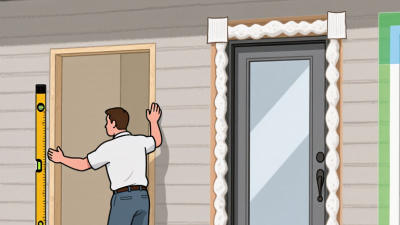
The U.S. Department of Energy explains that correct installation, air sealing, and weatherstripping strongly influence a door’s energy performance. The National Fenestration Rating Council also emphasizes verified ratings instead of attractive claims. These details matter when rain hits a threshold or winter air enters around a frame. Contractor Tom Silva of This Old House has said, “The door is the first thing people see when they come to your house.” That first impression should also resist water, forced movement, corrosion, and repeated daily use.

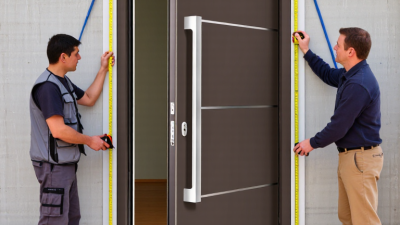
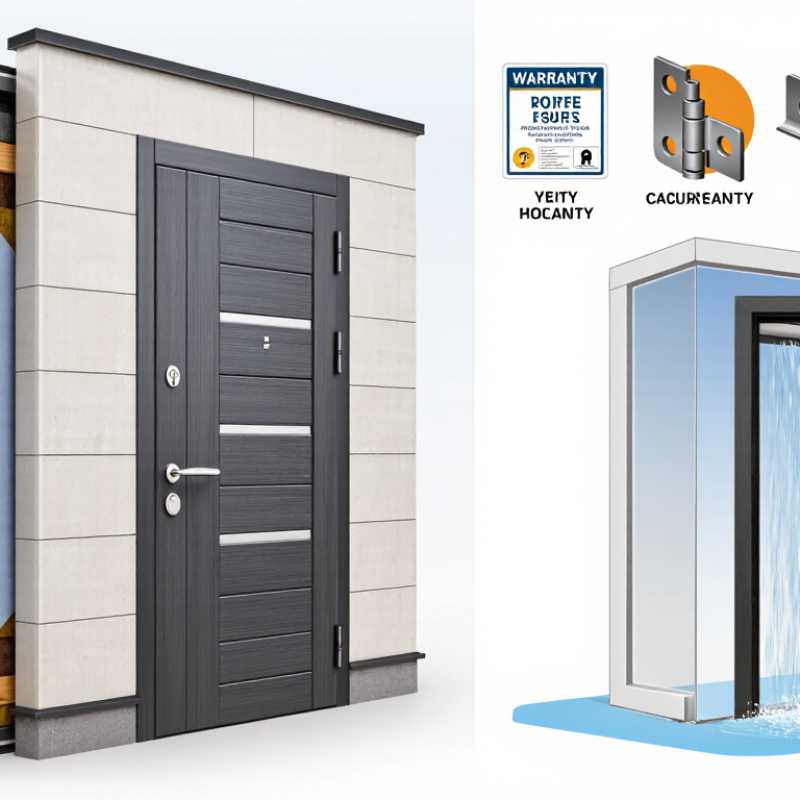
A reliable exterior door supplier should provide test results, material specifications, warranty terms, and installation guidance. Look for clear information about galvanized steel, fiberglass skins, hardwood species, thermal breaks, hinges, locks, and compression seals. Factory experience matters, but it is not enough. Certification can be incomplete, outdated, or difficult to verify. I may be too cautious, yet a polished sample does not prove long-term performance. The best exterior door from China is the one that matches your climate, building code, security needs, and installer’s skill—not merely the lowest price.
What Is the Best Exterior Door from China?

Chinese Exterior Door Materials: Steel, Fiberglass, Aluminum, and Wood

Choosing the best exterior door from China depends less on origin than material, climate, and manufacturing control. In project reviews, I have seen attractive samples fail because the frame warped or drainage was ignored. Steel doors offer strong security and stable dimensions. Their galvanized or coated surfaces need careful inspection, especially near coastal areas. A small scratch can become a corrosion point. Heavy, but dependable.

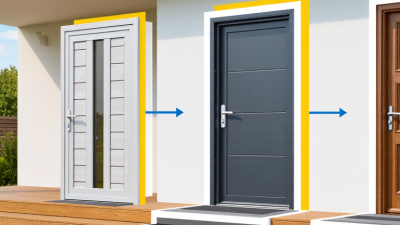
Fiberglass suits homeowners who want lower maintenance and wood-like textures. It resists moisture better than many timber doors and does not easily dent. However, cheap skins may feel thin, and color matching can disappoint under direct sunlight. Ask for section samples, not only catalog images. Check seals, hinges, threshold, and insulation together. The door is a system.

Aluminum is light, corrosion-resistant, and useful for wide glazed entrances. Thermal breaks matter in cold or hot regions. Without them, the inner frame may sweat or transfer heat. Wood remains the warmest option visually. It can be repaired, but it demands stable coating and regular attention. Humidity changes everything.

A reliable Chinese supplier should provide drawings, material specifications, test evidence, and samples matching production. Confirm packing, tolerances, hardware grades, and water drainage before ordering. Fiberglass often balances maintenance and appearance, while steel may suit exposed, high-use entrances better. My preference is not universal. I once focused too much on the panel and overlooked the threshold. That mistake was expensive.

What Is the Best Exterior Door from China?

Typical performance comparison of steel, fiberglass, aluminum, and wood exterior doors

Fiberglass is often the most balanced choice because it combines strong thermal insulation, corrosion resistance, and low maintenance. Insulated steel generally provides excellent security and value, while thermally broken aluminum is lightweight and highly resistant to moisture but usually offers lower insulation. Wood provides natural appearance and good insulation, but it requires regular sealing and maintenance.

Thermal Performance: NFRC U-Factors from 0.10 to 0.30 Btu/h·ft²·°F

What Is the Best Exterior Door from China?

Thermal performance should lead the comparison. NFRC U-factors measure heat flow through the complete door assembly. Lower values indicate better insulation. Available exterior doors from China may show NFRC U-factors between 0.10 and 0.30 Btu/h·ft²·°F. That range is significant. A 0.10-rated door can lose roughly one-third the heat of a 0.30-rated door under the same conditions. However, the number must represent the whole unit, including the frame, glass, sill, and hardware area.

NFRC’s Certified Products Directory explains why whole-product testing matters. Center-panel insulation alone can create an attractive, but incomplete, result. The U.S. Department of Energy’s Building America research also identifies insulated cores, low-emissivity glazing, and continuous weather seals as key factors in reducing conductive and air-transfer losses. Ask for the complete NFRC label and laboratory documentation. Check the tested size, glazing percentage, and operating condition. Small differences matter.

A 0.10 U-factor sounds ideal. It is not automatically the best choice. Very low ratings may require thicker panels, carefully designed frames, and precise installation. A poorly shimmed sill can defeat expensive insulation. This is where many specifications become less convincing. Review air leakage, water resistance, and condensation behavior beside U-factor. The best selection usually balances a verified 0.10–0.20 rating with durable seals and local climate requirements. Performance on paper can still disappoint in a cold hallway.

Security Standards: ANSI/BHMA Grade 3 Locks and 3- to 5-Point Systems

What Is the Best Exterior Door from China?

Security Standards: ANSI/BHMA Grade 3 Locks and 3- to 5-Point Systems

A secure exterior door begins with its lock, not its finish. ANSI/BHMA Grade 3 locks meet a recognized residential security standard for basic durability and operation. They are suitable for many homes, but Grade 3 should not be presented as maximum protection. The 2022 FBI Crime Data Explorer recorded 847,522 burglary offenses in the United States. That figure shows why entry hardware deserves careful evaluation.

A 3-point system typically secures the door at the top, center, and bottom. A 5-point system may add two vertical locking points near the upper and lower edges. These points can reduce door movement, especially when the frame is reinforced correctly. However, more points do not automatically mean better security. Weak strike plates, short screws, or a flexible frame can defeat impressive hardware. The complete assembly matters.

Ask for test documentation covering the lock, cylinder, hinges, frame, and door leaf. ANSI/BHMA A156 standards help verify lock performance, while ASTM and SDI-related testing can support broader door and frame evaluations. In practical inspections, a sturdy frame and three-inch installation screws often matter more than decorative panels. I would still question any supplier offering only a Grade 3 label. It is useful evidence, but incomplete evidence. A strong Chinese exterior door should match verified hardware with precise alignment, reinforced jambs, weather sealing, and a documented installation method.

What Is the Best Exterior Door from China? — Security Standards: ANSI/BHMA Grade 3 Locks and 3- to 5-Point Systems
Security Configuration Locking Arrangement ANSI/BHMA Grade 3 Application Typical Door Construction Security Advantages Important Verification Points Recommended Use
Single-Point Entry Door One primary latch or deadbolt engaging the strike plate at the lock edge. Suitable when the installed lockset or deadbolt is independently certified to the applicable ANSI/BHMA Grade 3 standard. Steel, fiberglass, or engineered wood door leaf with a reinforced lock block and a properly anchored strike. Simple operation, easy maintenance, and lower hardware complexity. Confirm the lock certification, strike attachment, door-frame reinforcement, hinge protection, and correct installation. Low- to moderate-risk residential entrances where simple access is preferred.
3-Point Locking System One central lock plus bolts or latch components engaging at the top and bottom of the door frame. ANSI/BHMA Grade 3 generally applies to the compatible lock hardware; the three-point layout itself is not an ANSI/BHMA grade. Commonly used with steel or fiberglass exterior doors and a reinforced multi-point lock case. Distributes holding force along the door edge and can reduce frame-side flexing compared with a single locking point. Verify that all three points engage fully, the frame is reinforced, and the complete assembly is aligned after installation.
5-Point Locking System Central lock plus top and bottom bolts, with additional engagement points near the upper and lower door sections. The lock cylinder or lockset may be Grade 3; the complete five-point door assembly requires separate product and installation evidence. Usually paired with a rigid steel or fiberglass leaf, continuous reinforcement, and a heavy-duty frame. Provides more distributed engagement and improved resistance to edge spreading when correctly fitted. Check bolt throw, frame reinforcement, emergency egress operation, cylinder protection, and smooth operation under weather changes.
Steel Exterior Door with 3-Point Lock Three-point locking hardware with a central latch or deadbolt and upper/lower bolts. Use a lockset with documented ANSI/BHMA Grade 3 compliance where that standard is specified for the hardware. Galvanized or coated steel skin, insulated core, reinforced lock area, and corrosion-resistant frame components. High resistance to impact and prying when the steel, frame, hinges, and strike system are properly engineered. Review steel thickness, weld or reinforcement details, corrosion protection, thermal breaks, and hardware test reports. Exterior entrances requiring a durable, impact-resistant door with moderate-to-high security.
Fiberglass Exterior Door with 5-Point Lock Five-point multi-lock hardware operated by a central handle or cylinder. Grade 3 certification should be confirmed for the relevant lock or deadbolt; it does not automatically certify the complete door. Fiberglass-reinforced skin, insulated polyurethane or similar core, reinforced lock zone, and weather-sealed frame. Good resistance to moisture and corrosion, stable appearance, and distributed locking across the door edge. Confirm water-ingress testing, air leakage performance, frame material, hinge adjustment, and full multi-point engagement.
Insulated Metal Door with Thermal Break Single-point, three-point, or five-point hardware depending on the selected configuration. Specify ANSI/BHMA Grade 3 hardware separately from thermal-performance requirements. Insulated steel or aluminum construction with a thermal break, compression seals, and an insulated core. Combines security with improved energy performance and reduced interior-surface condensation risk. Request U-factor, air-leakage, water-penetration, and structural test data for the complete door-and-frame assembly. Energy-conscious homes and buildings with significant indoor-outdoor temperature differences.
High-Performance Exterior Door Assembly Five-point locking system, reinforced frame, protected hinges, laminated or impact-rated glazing where applicable. Grade 3 hardware may be part of the specification, but assembly-level security and weather performance must be documented separately. Reinforced steel or fiberglass leaf, heavy-duty frame, continuous perimeter seals, and securely anchored threshold. Best overall combination of distributed locking, frame strength, weather resistance, and durability. Require test reports or certificates for the actual configuration, including lock hardware, frame, glazing, hinges, threshold, and installation method.

Weather Resistance: Air Leakage ≤0.3 cfm/ft² and Water Ratings up to 15 psf

What Is the Best Exterior Door from China?

Weather resistance should guide any exterior door decision, especially in regions with wind-driven rain. A reliable specification is air leakage of no more than 0.3 cfm/ft². This figure indicates how much air passes through the closed door assembly during testing. Lower leakage can improve comfort and reduce drafts near the frame.

Water performance matters just as much. Some tested doors reach water ratings up to 15 psf, which represents strong pressure from wind-driven rain. However, this rating does not protect a poorly installed door. The sill, weather seals, frame, and surrounding flashing must work as one system. Small gaps can appear around hinges or corners. They are easy to miss.

Ask for test reports based on recognized procedures, such as ASTM E283 for air leakage and ASTM E331 for water penetration. Check whether the results apply to the complete door assembly, not only the panel. A factory sample may perform well, while transport damage or an uneven opening can reduce performance. This is where careful inspection becomes essential. I would also question any claim that gives a maximum rating without test pressure, sample size, or installation details. Numbers need context. A dry showroom proves very little.

How to Choose the Best Chinese Door: Certifications, Warranty, and Cost

Choosing the best exterior door from China starts with evidence, not attractive catalog photos. The U.S. Department of Energy reports that windows, doors, and skylights can account for 25–30% of residential heating and cooling energy use. Ask suppliers for tested U-factor, solar heat gain coefficient, air leakage, and water penetration results. NFRC labels, NAFS testing, or equivalent accredited laboratory reports are more useful than a general ISO 9001 certificate. CE marking may support European conformity, but it does not prove weather resistance or installation quality.

Warranty terms deserve the same attention as certification. Request written coverage for the slab, frame, hardware, finish, glass, and seals. A practical warranty should state duration, exclusions, response time, and replacement procedures. “Ten years” sounds strong, yet it may exclude coastal corrosion, poor installation, or color fading. Confirm who pays shipping and labor. No checklist is perfect. Independent pre-shipment inspection remains sensible, especially for large orders.

Compare total landed cost, not factory price alone. Include packaging, testing, freight, duties, installation, and possible replacement parts. The World Bank’s Logistics Performance Index shows that delivery reliability varies significantly between trading routes and markets. A cheaper door can become expensive after delays or damaged frames. Request a sample, verify dimensions on site, and test locks, hinges, drainage holes, and gasket compression before approving production. Small details matter.

Questions? Give Us A Call!