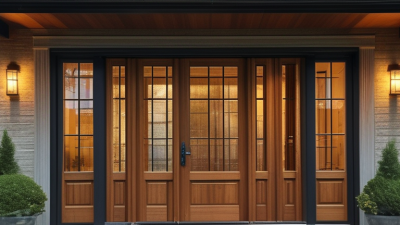
Choosing an exterior door is about more than curb appeal. The right model must suit the home’s climate, entryway, security needs, and daily traffic. Wood offers natural grain and warmth, while steel often appeals to homeowners seeking a sturdy, practical option. Fiberglass can mimic wood and handle changing weather with less routine upkeep. Each material has trade-offs. Even a beautiful door can disappoint if it fits poorly or lacks suitable weatherstripping.
As veteran carpenter and door educator Gary Katz’s installation-focused guidance reminds homeowners, the door slab is only part of the system. A useful principle for comparing options is: “Choose for climate, security, and daily use—not appearance alone.” This guide explores popular exterior door types, including wood, steel, fiberglass, glass-panel, French, sliding, and storm doors. It also considers how each style affects light, privacy, maintenance, and energy performance. A glass panel may brighten a dim foyer, but it can reduce privacy. A storm door may add protection, though it is not right for every entry. Small details matter. We’ll look at them plainly, while recognizing that product quality and installation vary. The best choice is not always the most expensive—or the one that photographs best.
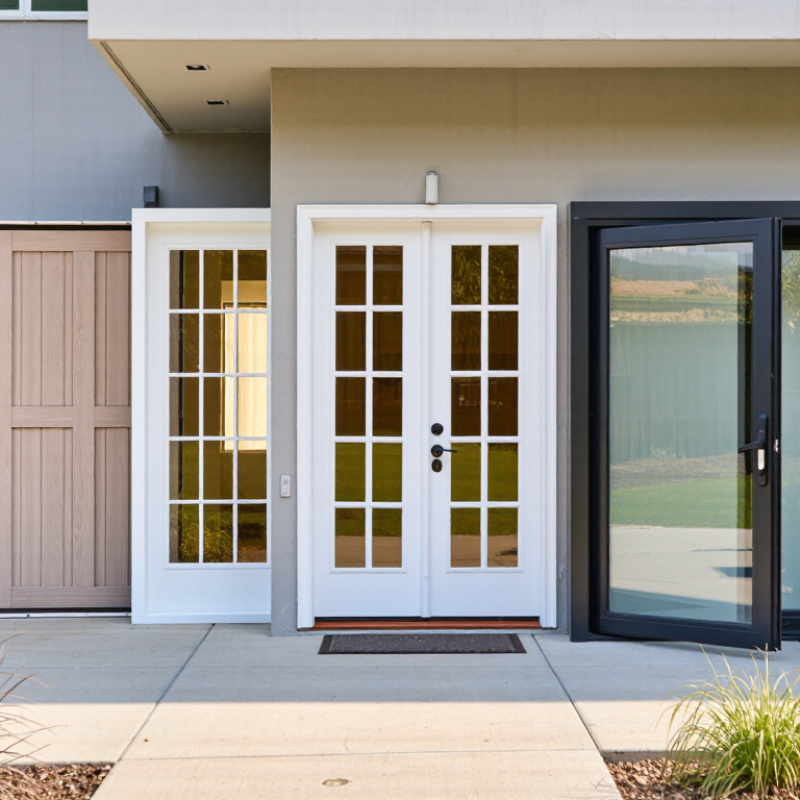
What Are the Top Types of Exterior Doors?
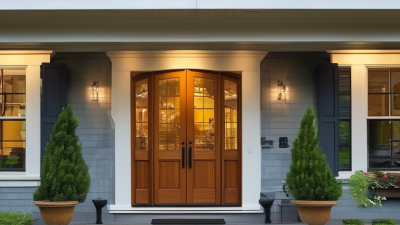
Exterior doors can be classified by how they open and by the job they perform. A hinged single door is common at a front entrance, while paired French doors create a wider opening onto a porch or garden. Sliding doors travel along a track and suit rooms where a swinging panel would take up floor space. Folding doors can open broadly, but their tracks need regular attention.
The labels are useful, though not always neat: a sliding patio door can also serve as a main entrance. Pivot doors turn on hinges set above and below the panel, giving them a distinctive movement. Their size and weight make proper installation especially important. Small detail. Check how the door clears nearby furniture and exterior steps before choosing its style.
Function offers another way to sort exterior doors. Entry doors are intended to provide a secure, weather-sealed passage; patio doors prioritize access and natural light. Storm doors add a separate layer against wind and rain, and may include a screen for ventilation. The right choice depends on exposure, traffic, and the building’s existing frame. A door that looks suitable in a showroom may perform differently beside a windy, rain-facing wall. Check the product’s tested performance and installation guidance rather than judging by appearance alone.
This chart compares common applications of six exterior door designs. A value of 1 means the design is commonly used for that purpose; 0 means it is not a typical application. These markers describe common use, not market share or product performance.
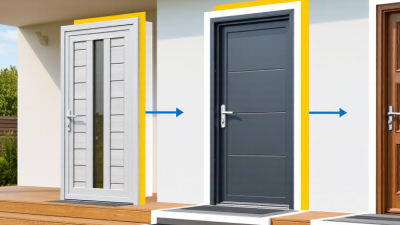
Exterior doors differ in material, operation, and the space they serve. Steel doors are sturdy and usually need little maintenance. Fiberglass doors resist moisture and can mimic wood grain, though their finishes may still fade. Wood doors offer natural warmth, but exposed edges need regular care. Sliding patio doors save floor space; French doors create a wider opening but require room for their swing. Storm doors add a second layer at the entry, especially useful in exposed locations.
Energy performance depends on more than the door material. The U.S. Department of Energy recommends checking a door’s energy ratings and weatherstripping, since gaps around the frame can let drafts into a room. Remodeling magazine’s 2024 Cost vs. Value report estimated a national average cost of $2,355 for a steel entry-door replacement. Its projected resale value was $4,430, but that figure is a market estimate, not a promise. A door that looks right can still fit poorly. Measure the opening and inspect the threshold before choosing.
Tips: For a windy or rainy entry, check the sill, seals, and frame together. For a patio, compare clear opening width—not just the glass area. Keep a small finish sample near the doorway; colors can look different in direct sun.
What Are the Top Types of Exterior Doors?
How Exterior Door Materials Affect Durability and Efficiency
A door’s material affects more than its appearance. It also influences heat loss, maintenance, and how well the door handles rain and temperature changes. Fiberglass often resists moisture and warping, while an insulated core can help limit heat transfer. Steel doors are durable and commonly have insulated cores, but their surfaces can dent. Check the frame and weatherstripping, too. A well-insulated slab may still leak air around its edges.
Wood offers a natural look and can provide useful insulation, but paint or stain needs upkeep, especially where rain reaches the door. Aluminum is lightweight and rust-resistant, yet it can conduct heat readily unless designed with a thermal break. No material is magic. The best choice depends on local weather, exposure, and how much maintenance feels realistic. A shaded entry and a wind-battered porch have different demands. Look for tested energy-performance information, including U-factor and air-leakage ratings, rather than judging by material alone. Then inspect the threshold and seals; even a small gap can make a draft noticeable on a cold morning.
A hinged steel or fiberglass door suits a frequently used main entrance. Steel offers a firm, secure feel; fiberglass handles damp weather without the same risk of swelling. For a shaded porch, either can work well. In direct afternoon sun, check the product’s heat and finish ratings before choosing. Small details matter.
Sliding patio doors work best where swing space is limited, such as beside a dining table or narrow deck. Their broad glass panels bring in daylight, but tracks need regular cleaning to keep grit from affecting movement. French doors create a wider opening for garden access, though each leaf needs room to swing. Measure the furniture path, not just the doorway. ENERGY STAR estimates that certified windows, doors, and skylights can lower household energy bills by about 12% compared with non-certified products; actual savings depend on the home and climate.
Storm doors can add weather protection and ventilation to an existing entry, especially where seasons change sharply. In humid or windy locations, prioritize durable hardware, weather seals, and a suitable performance rating over decorative glass. The U.S. Department of Energy advises checking a door’s energy performance and air leakage, not judging efficiency by material alone. A well-fitted door matters. I’d still be cautious about treating any one type as universally best: exposure, threshold height, and daily traffic can change the answer.
What Are the Top Types of Exterior Doors?
What to Consider When Choosing an Exterior Door
The right exterior door should suit your home’s weather, entryway, and daily use. Fiberglass resists moisture and needs little upkeep, making it a practical choice for exposed entrances. Steel doors can provide a sturdy, insulated option, though scratches may need prompt attention to prevent rust. Wood offers a natural look, but rain and direct sun can mean more frequent maintenance.
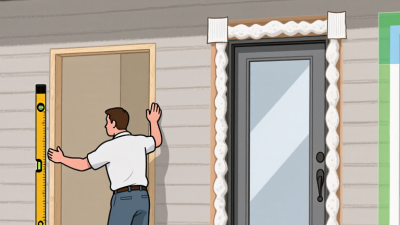
Check the door’s fit before comparing finishes. Measure the opening, including the frame, and note whether the door swings inward or outward. A poorly fitted door can let in drafts, even when the slab itself is well insulated. Look closely at the threshold, weatherstripping, and frame; these small details affect comfort and can be easy to overlook. Measure twice.
Consider how much glass you want. A glazed panel can brighten a dark foyer, while a solid door offers more privacy. If the entry gets strong afternoon sun, ask about glass options that help limit heat and fading. Think about the handle, lock, and clearance for a welcome mat, too. A beautiful door that sticks after a wet season is still a frustrating choice. Planning helps, but local exposure and installation quality can change how a door performs over time.
| Door Type | Common Construction | Main Advantages | Things to Consider | Often Suited To |
|---|---|---|---|---|
| Fiberglass Entry Door | Fiberglass exterior skin over an insulated core, commonly polyurethane foam | Resists rust and rot; generally needs little upkeep; insulated models can help limit heat transfer; some finishes resemble wood grain | Quality, appearance, and resistance to impact vary by model. Check the door’s energy-performance rating and confirm the finish is suitable for the local climate. | Front entrances where low maintenance and insulation are priorities |
| Steel Entry Door | Steel skins over an insulated core, often with a wood frame around the perimeter | Typically offers good strength and value; insulated versions can provide useful thermal performance | Steel can dent, and damaged coatings may allow corrosion. The frame, locks, weatherstripping, and installation also affect security and performance. | Entryways where durability and value are important |
| Solid Wood Entry Door | Built from wood boards or engineered wood components, with a range of panel and glass designs | Natural appearance; can be stained, painted, repaired, or customized; provides a substantial feel | Usually requires more upkeep than fiberglass or steel. Moisture and temperature changes can cause movement, so sealing, maintenance, and a suitable overhang matter. | Homes where a natural look and custom design are priorities |
| Aluminum Entry Door | Aluminum frame and panels, sometimes combined with insulated sections or glazing | Lightweight and resistant to rust; can support slim frames and contemporary designs | Metal conducts heat, so thermal breaks and insulated construction are important in climates with temperature extremes. Performance depends on the complete door system. | Modern designs and locations where a slim, metal-framed appearance is desired |
| Sliding Patio Door | Large glass panels that slide horizontally in a track, typically in a framed system | Provides broad views and daylight; opens without swinging into the room or patio | Check glass safety ratings, weather seals, drainage, track quality, and locking hardware. Large glass areas may transfer more heat than insulated opaque doors. | Patios, decks, and rooms with limited space for a swinging door |
| French or Hinged Patio Door | One or two hinged door panels, often with large glass areas | Wide opening when both panels are operable; classic appearance; available with different glazing options | Requires clearance for the panels to swing. Weather sealing, threshold design, glass selection, and the strength of the hinges and locks are important. | Patios and garden entrances where a traditional hinged style is preferred |
| Selection tip: Compare the complete door system—not just the material. Consider climate, insulation, weather exposure, glass area, maintenance, security hardware, accessibility, swing or sliding clearance, and professional installation. Energy ratings and building requirements vary by product and location. | ||||